
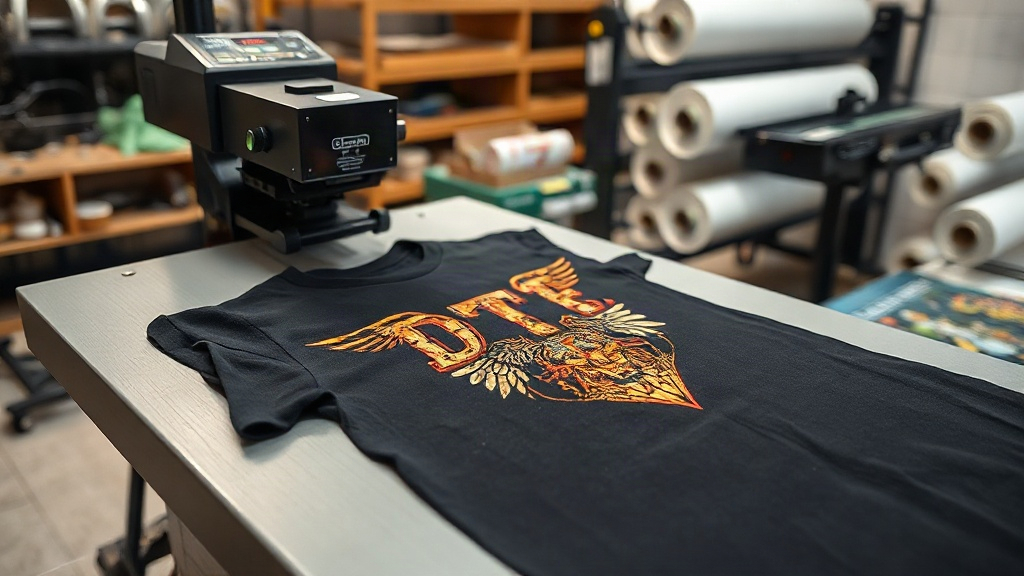
If you have been in the custom apparel game for any length of time, you have probably heard the buzz about DTF Transfers. This technology has been rapidly gaining popularity among printers, crafters, and hobbyists alike. But what exactly are DTF transfers, and why are they causing such a stir? In this comprehensive guide, we will dive deep into the world of DTF transfers, covering everything from the basics to advanced tips. Whether you are a seasoned professional or just starting out, this article will equip you with the knowledge to harness the power of DTF transfers for your projects.
DTF stands for Direct to Film. It is a printing method where your design is printed onto a special film, coated with a powder adhesive, and then heat-pressed onto the fabric. Unlike DTG (Direct to Garment) or screen printing, DTF transfers can be applied to a wide range of fabrics, including cotton, polyester, blends, and even leather. The result is a vibrant, durable print that withstands washing and wear.
What Are DTF Transfers?
DTF Transfers are essentially a two-part system: a printed film and a heat-activated adhesive. The process begins with a digital printer that uses special DTF inks (typically CMYK plus white) to print your design onto a PET film. The film is then dusted with a hot-melt adhesive powder, which is cured to create a transferable layer. When you are ready to apply, you simply place the transfer on your garment and press it with a heat press. The adhesive melts, bonding the ink to the fabric.
One of the key advantages of DTF transfers is that they do not require pre-treatment, unlike DTG printing. This saves time and reduces costs. Additionally, DTF transfers can be used on dark and light garments without the need for separate screens or plates, making them ideal for short runs and personalized items.
The Science Behind the Adhesive
The magic of DTF transfers lies in the adhesive powder. This powder is typically a polyurethane-based hot melt adhesive. When heated, it melts and penetrates the fabric fibers, creating a strong bond. The powder also encapsulates the ink, protecting it from cracking and fading. The type of powder used can affect the feel and durability of the final print. For example, finer powders produce a softer hand, while coarser powders may be more durable but slightly rougher.
Why Choose DTF Transfers?
There are several compelling reasons to consider DTF transfers for your custom apparel needs. Let's explore the main benefits.
1. Unmatched Versatility
DTF transfers work on almost any fabric. Whether you are printing on 100% cotton t-shirts, polyester jerseys, canvas bags, or even denim jackets, DTF transfers deliver excellent results. This versatility means you can offer a wider range of products to your customers without investing in multiple printing technologies.
2. Vibrant, High-Detail Prints
Because DTF printers use white ink as a base, they can produce bright, opaque colors on dark fabrics. The digital nature of the process allows for intricate details, gradients, and photographic images with stunning clarity. Unlike screen printing, there are no color limitations or setup fees for additional colors.
3. Cost-Effective for Short Runs
For small batches or one-off items, DTF transfers are incredibly cost-effective. There are no screens to burn, no minimum order quantities, and no waste from setup. You can print exactly what you need, when you need it. This makes DTF transfers perfect for personalized gifts, samples, and small businesses.
4. Durability and Washability
When applied correctly, DTF transfers are highly durable. They can withstand dozens of washes without cracking, peeling, or fading. The adhesive powder forms a flexible bond that moves with the fabric, reducing the risk of breakage. Proper care, such as washing inside out in cold water and avoiding bleach, will extend the life of your prints.
DTF Transfers vs. Other Printing Methods
To truly appreciate DTF transfers, it helps to compare them with other popular printing methods. Here is a quick comparison.
- DTG (Direct to Garment): DTG requires pre-treatment and works best on 100% cotton. It can be slower and more expensive for small runs. DTF offers broader fabric compatibility and no pre-treatment.
- Screen Printing: Screen printing is cost-effective for large orders but has high setup costs and limited color options. DTF is more flexible for short runs and complex designs.
- Vinyl (HTV): HTV is great for simple designs but limited in color and detail. DTF can produce full-color, photographic images with ease.
- Sublimation: Sublimation only works on polyester and requires special coatings. DTF works on cotton and blends, and does not require coated surfaces.
As you can see, DTF transfers fill a niche that other methods cannot, making them a valuable addition to any print shop.
How to Apply DTF Transfers: A Step-by-Step Guide
Applying DTF transfers is straightforward, but following the correct steps is crucial for a professional finish. Here is a detailed guide.
Step 1: Prepare Your Workspace
Set up your heat press in a well-ventilated area. Ensure the press is stable and the platen is clean. Pre-heat your press to the recommended temperature, usually between 300°F and 325°F (150°C to 160°C). The exact temperature depends on the film and powder you are using, so always check the manufacturer's instructions.
Step 2: Pre-Press the Garment
Before applying the transfer, pre-press the garment for 5-10 seconds. This removes moisture and wrinkles, ensuring a smooth surface for the transfer. Moisture can cause the adhesive to fail, so do not skip this step.
Step 3: Position the Transfer
Place the DTF transfer on the garment with the printed side facing up. The adhesive side should be against the fabric. Use heat-resistant tape if needed to hold it in place.
Step 4: Apply Heat and Pressure
Cover the transfer with a Teflon sheet or parchment paper to protect your press. Apply medium to high pressure for 10-15 seconds. The pressure should be firm enough to embed the adhesive into the fabric but not so high that it flattens the print.
Step 5: Peel the Film
DTF transfers can be peeled either hot or cold, depending on the film. Most modern films are cold peel, meaning you wait until the transfer cools down before peeling. This prevents the ink from stretching. Peel slowly and evenly.
Step 6: Post-Press for Durability
For added durability, cover the print with a Teflon sheet and press again for 5-10 seconds. This ensures the adhesive is fully cured and the print is smooth.
Common Mistakes to Avoid with DTF Transfers
Even experienced printers can run into issues with DTF transfers. Here are some common pitfalls and how to avoid them.
- Insufficient Pressure: If the pressure is too low, the adhesive will not bond properly, leading to peeling. Adjust your press and test.
- Wrong Temperature: Too hot and the film may melt or the ink may scorch; too cold and the adhesive won't activate. Use a temperature gun to verify.
- Not Pre-Pressing: Skipping pre-pressing can trap moisture, causing bubbles and poor adhesion.
- Peeling Too Soon: If you peel hot when the film is designed for cold peel, the design may crack. Always check the film type.
- Using the Wrong Powder: Not all powders are created equal. Use a powder that matches your ink and film for best results.
By avoiding these mistakes, you will achieve consistent, professional-looking DTF transfers every time.
Tips for Getting the Best Results
To elevate your DTF game, consider these expert tips.
- Store Transfers Properly: Keep unused transfers in a cool, dry place away from direct sunlight. Humidity can affect the adhesive.
- Test Your Settings: Every heat press is different. Always run a test with a scrap garment to dial in your temperature, pressure, and time.
- Use Quality Inks and Films: Cheaper materials may save money upfront but can lead to poor results and frustrated customers. Invest in reputable brands.
- Master Color Management: Calibrate your printer and use ICC profiles to ensure accurate colors. DTF can produce vibrant colors, but only if your files are set up correctly.
- Offer a Wash Care Guide: Educate your customers on how to care for their DTF-printed apparel. Provide instructions like washing inside out and avoiding fabric softener.
Frequently Asked Questions About DTF Transfers
How long do DTF transfers last?
With proper application and care, DTF transfers can last as long as the garment itself. They are resistant to cracking, peeling, and fading. Washing inside out in cold water and tumble drying on low will maximize longevity.
Can I use DTF transfers on polyester?
Yes, DTF transfers work exceptionally well on polyester and polyester blends. The low-temperature application (compared to sublimation) prevents the fabric from scorching. Just be sure to use a lower temperature setting if the polyester is heat-sensitive.
Do I need a special printer for DTF transfers?
You can convert a standard inkjet printer to use DTF inks, but for best results, a dedicated DTF printer is recommended. These printers are designed to handle the white ink and the film, ensuring consistent output.
What is the difference between DTF and DTG?
DTF (Direct to Film) involves printing on a film and transferring it, while DTG (Direct to Garment) prints directly onto the fabric. DTF requires no pre-treatment and works on more fabrics, while DTG is limited to cotton and requires pre-treatment. DTF also tends to have a softer hand and better durability on dark colors.
Can I stretch DTF transfers?
DTF transfers have some stretchability due to the flexible adhesive, but they are not as stretchy as the fabric itself. For highly stretchable garments like spandex, consider using a stretch additive or a different printing method. For typical t-shirts, DTF transfers will move with the fabric without cracking.
DTF transfers are a game-changer in the custom apparel industry. With their versatility, durability, and vibrant results, they offer a competitive edge for businesses and creators. By understanding the process, avoiding common mistakes, and following best practices, you can achieve professional-quality prints that delight your customers. So why not give DTF transfers a try? Your creativity is the only limit.