
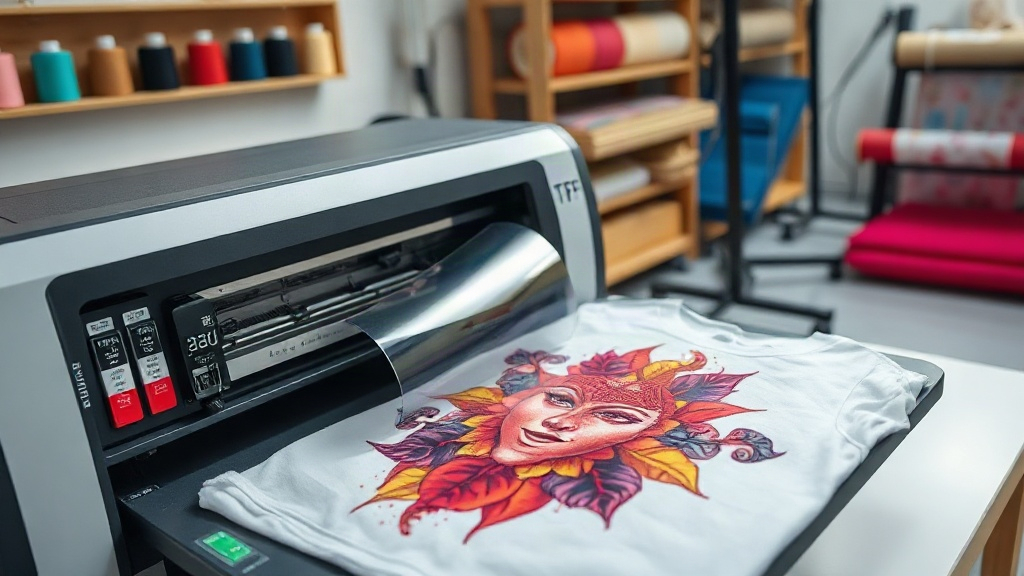
Imagine walking into a room wearing a t-shirt that perfectly captures your personality, with colors so vivid they seem to pop off the fabric. That's the power of DTF printing, a technology that's rapidly becoming the go-to choice for custom apparel enthusiasts and professionals alike. Unlike traditional methods that limit your creativity, DTF printing opens up a world of possibilities, allowing you to print intricate designs on almost any fabric with stunning clarity and durability. In this guide, we'll dive deep into what DTF printing is, how it works, and why it might just be the solution you've been searching for.
What Exactly is DTF Printing?
DTF stands for Direct to Film, a printing technique where your design is first printed onto a special film and then transferred onto the fabric using heat and pressure. This two-step process might sound simple, but it's a game-changer. The magic lies in the specialized inks and adhesives that allow the print to bond permanently with the material, creating a soft, stretchable, and incredibly durable result. Whether you're working with cotton, polyester, blends, or even leather, DTF printing adapts beautifully, making it a versatile tool for any project.
How Does DTF Printing Work?
Understanding the DTF process can help you appreciate its brilliance. Here's a step-by-step breakdown:
- Design Preparation: Your artwork is prepared digitally, with colors managed for optimal vibrancy. The design is then mirrored before printing.
- Printing: A specialized DTF printer lays down a layer of white ink (for opacity) followed by the colored inks onto a PET film. This film acts as a temporary carrier.
- Adhesive Powder Application: While the ink is still wet, a fine adhesive powder is sprinkled over the print. This powder will later melt and bond the design to the fabric.
- Curing: The film passes through a heat source to melt the powder, creating a smooth, dry surface.
- Transfer: The film is placed onto the fabric and pressed with a heat press at specific temperature and pressure settings. Once cooled, the film is peeled away, leaving your design perfectly adhered.
Each step is crucial, but the result is a vibrant, long-lasting print that feels like part of the garment.
Why Choose DTF Printing?
With so many printing methods available, you might wonder what makes DTF stand out. Here are some compelling reasons:
- Unmatched Versatility: DTF printing works on a wide range of fabrics, including those that are difficult for other methods. You're not limited to cotton; polyester, nylon, leather, and even treated wood can be decorated.
- Vibrant Colors and Fine Details: The process allows for high-resolution prints with smooth gradients and fine lines. The white ink base ensures colors remain bright even on dark garments.
- Durability: When applied correctly, DTF prints resist cracking, peeling, and fading. They can withstand repeated washing and stretching, making them ideal for activewear and everyday apparel.
- Cost-Effective for Small and Large Runs: Unlike screen printing, which requires separate screens for each color, DTF printing doesn't have setup costs per color. This makes it economical for short runs and complex designs.
- Soft Hand Feel: The prints are thin and flexible, so they don't feel heavy or plastic-like on the fabric. This is particularly important for comfort.
DTF vs. Other Printing Methods
To truly appreciate DTF printing, it helps to compare it with other popular techniques.
DTF vs. DTG (Direct to Garment)
DTG printing is excellent for cotton fabrics, but it struggles with polyester and dark colors often require a pretreatment. DTF printing, on the other hand, excels on both cotton and polyester, and the white ink base eliminates the need for pretreatment. Plus, DTF prints tend to be more durable and stretchable.
DTF vs. Screen Printing
Screen printing is cost-effective for large orders of simple designs, but it becomes expensive and time-consuming for multi-color or detailed artwork. DTF printing handles complex designs with ease and has no color limitations, making it perfect for small batches and personalized items.
DTF vs. Vinyl (HTV)
Heat transfer vinyl is great for simple shapes and text, but it can't reproduce photographic images or intricate details. DTF printing allows for full-color, high-detail prints that vinyl simply can't match. Additionally, DTF prints are more flexible and less likely to peel over time.
Getting Started with DTF Printing
If you're ready to dive into DTF printing, here are some practical tips to ensure success:
- Choose Quality Supplies: Not all DTF films and powders are created equal. Invest in reputable brands to avoid issues like clogged printheads or poor adhesion.
- Master Your Heat Press Settings: Temperature, pressure, and time are critical. Typically, you'll press at around 160°C (320°F) for 10-15 seconds with medium pressure. Always test with your specific materials.
- Handle Films with Care: PET films can attract dust, so store them in a clean, dry environment. Use lint rollers on fabrics before pressing to avoid imperfections.
- Experiment with Fabrics: While DTF works on many materials, each may require slight adjustments. Keep a log of settings that work best for different fabrics.
- Practice Peeling Techniques: DTF transfers can be peeled hot or cold, depending on the film and adhesive. Cold peel is more common, but always follow the manufacturer's recommendations.
Common Applications of DTF Printing
The versatility of DTF printing makes it suitable for a myriad of applications. Here are some popular uses:
- Custom T-Shirts and Hoodies: From bold graphics to subtle logos, DTF brings your designs to life on casual wear.
- Sportswear and Activewear: The stretchability and durability of DTF prints make them ideal for jerseys, leggings, and performance gear.
- Corporate Apparel: Create professional uniforms with company logos that withstand frequent washing.
- Promotional Items: Tote bags, caps, and even shoes can be customized with DTF transfers.
- Home Decor: Personalize pillows, curtains, and upholstery with vibrant designs.
Frequently Asked Questions About DTF Printing
What fabrics can I use with DTF printing?
DTF printing adheres well to a wide range of fabrics, including cotton, polyester, blends, nylon, leather, and even some treated woods. It's particularly effective on fabrics that are difficult for other methods, such as polyester and dark-colored garments.
How durable are DTF prints?
When applied correctly, DTF prints are highly durable. They resist cracking, peeling, and fading, and can withstand dozens of wash cycles. The key is proper application: using the right temperature, pressure, and time during transfer.
Do I need special equipment for DTF printing?
Yes, you'll need a DTF printer, PET film, adhesive powder, and a heat press. While the initial investment may seem high, the versatility and cost-effectiveness for small runs often make it worthwhile.
Can I use DTF printing for small orders?
Absolutely! DTF printing is ideal for small orders because there are no setup costs per color or screen. You can print one-off designs or small batches without breaking the bank.
Is DTF printing environmentally friendly?
DTF printing uses water-based inks in some systems, which are more eco-friendly than solvent-based alternatives. However, the PET film and adhesive powder do contribute to waste. Always dispose of materials responsibly and consider recycling where possible.
Final Thoughts
DTF printing is more than just a trend; it's a versatile and powerful tool that empowers creators to bring their visions to life on a wide array of fabrics. Whether you're a small business owner, a DIY enthusiast, or a professional printer, embracing DTF technology can elevate your custom apparel game. With its vibrant colors, durability, and ease of use, it's no wonder that DTF printing is quickly becoming the preferred method for many. So why not give it a try? Your next masterpiece is just a print away.