
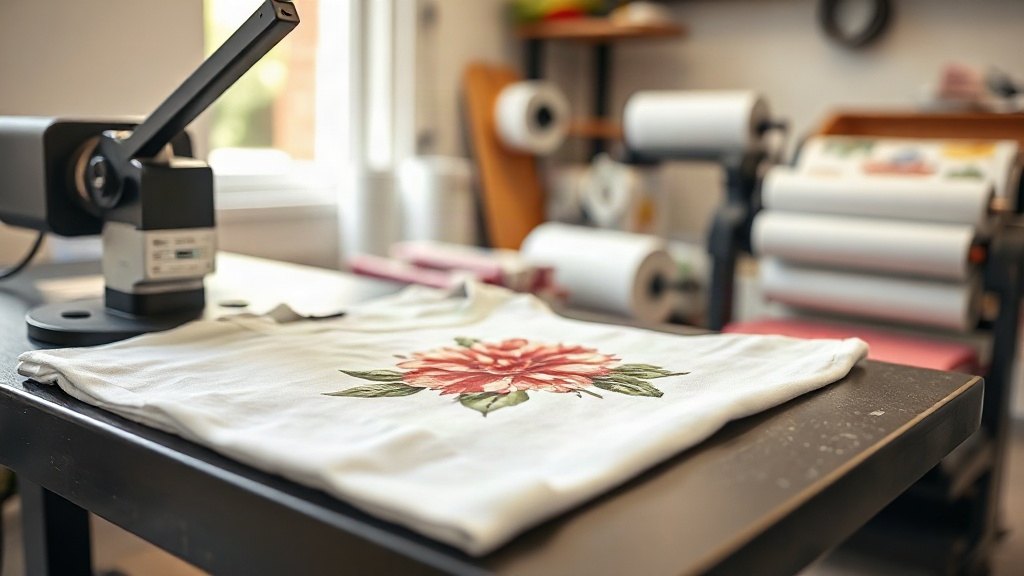
If you've been exploring custom apparel printing, you've likely encountered DTF Transfers. This innovative technology is rapidly gaining traction among hobbyists and professionals alike, offering a versatile and cost-effective way to create vibrant, durable prints on a wide range of fabrics. Unlike traditional methods that require specific materials or extensive setup, DTF Transfers simplify the process, making it accessible even for beginners. In this guide, we'll dive deep into what DTF Transfers are, how they work, and how you can use them to achieve professional-quality results.
What Are DTF Transfers?
DTF Transfers (Direct to Film) are a type of heat transfer that involves printing a design onto a special film, coating it with adhesive powder, and then applying it to fabric using a heat press. The process starts with a digital printer that uses pigment-based inks to print the design onto a PET film. While the ink is still wet, a thermoplastic adhesive powder is applied, which adheres to the ink. After shaking off the excess powder, the film is cured, usually in an oven or with a heat press, to melt the powder and create a durable, flexible layer. When you're ready to apply the design, you simply place the film on the fabric and press it with a heat press. The adhesive melts, bonding the design to the fabric. Once cooled, you peel away the film, leaving a vibrant, soft-to-the-touch print.
The Science Behind the Adhesion
The magic of DTF Transfers lies in the adhesive powder. This powder is typically a polyurethane-based thermoplastic that melts at a specific temperature. When heated, it becomes tacky and bonds with the fibers of the fabric. Upon cooling, it solidifies, creating a strong mechanical bond. This is why DTF Transfers can adhere to a wide variety of materials, including cotton, polyester, blends, and even some treated nylons. The ink layer sits on top of the adhesive, protected by a thin film that is removed after pressing. The result is a print that stretches with the fabric without cracking or fading, making it ideal for activewear and garments that undergo frequent washing.
Why Choose DTF Transfers Over Other Methods?
There are several printing methods available, each with its own strengths and weaknesses. Here's why DTF Transfers stand out:
- Versatility: Unlike vinyl cutting, which requires weeding and layering, DTF Transfers can print full-color images with gradients, fine details, and even photographs in a single step. They work on almost any fabric, including dark and light colors, without the need for pre-treatment.
- Durability: The prints are highly resistant to washing, cracking, and peeling. When applied correctly, they can outlast the garment itself.
- Cost-Effectiveness: For short runs and complex designs, DTF Transfers are more affordable than screen printing, which requires separate screens for each color. There's no minimum order quantity, making them perfect for small businesses and personal projects.
- Ease of Use: With a decent printer, film, powder, and a heat press, you can produce DTF Transfers in-house. The learning curve is relatively gentle, and there's plenty of community support.
- Soft Hand Feel: Unlike some heat transfers that leave a thick, plastic-like layer, DTF Transfers are thin and flexible, conforming to the fabric's texture.
Applications of DTF Transfers
From custom t-shirts to team jerseys, DTF Transfers are used in a myriad of applications. Small business owners use them to create branded merchandise, while crafters make personalized gifts. They're also popular for promotional items, uniforms, and fashion apparel. Because they can print on both natural and synthetic fabrics, you can experiment with different materials, such as canvas bags, denim jackets, and even leather. The possibilities are vast, limited only by your creativity.
How to Apply DTF Transfers: A Step-by-Step Guide
Applying DTF Transfers is straightforward, but following the correct steps ensures a professional finish. Here's what you need:
- A heat press (or a home iron, though results may vary)
- Your DTF transfer film
- Parchment paper or a Teflon sheet
- The garment or fabric you're decorating
- Preheat the heat press: Set the temperature to around 300-325°F (150-160°C). The exact temperature depends on the fabric and the transfer manufacturer's recommendations. Always test on a scrap piece first.
- Pre-press the garment: Place the garment on the press for a few seconds to remove moisture and wrinkles. This helps the transfer adhere evenly.
- Position the transfer: Place the DTF transfer face down on the fabric. Ensure it's exactly where you want it.
- Press: Cover the transfer with parchment paper or a Teflon sheet. Apply medium to firm pressure for 10-15 seconds. Avoid moving the press during this time.
- Peel: Wait a few seconds for the transfer to cool slightly, then peel off the film in a smooth, steady motion. If the design lifts with the film, press again for a few more seconds.
- Post-press (optional): For added durability, you can cover the design with parchment paper and press again for 5-10 seconds. This ensures the adhesive fully cures.
After peeling, your garment is ready to wear. Wait 24 hours before washing to allow the adhesive to fully set. Turn the garment inside out and wash in cold water to prolong the life of the print.
Common Mistakes to Avoid
Even with a simple process, beginners often encounter issues. Here are some pitfalls and how to avoid them:
- Insufficient pressure: If the pressure is too low, the transfer won't adhere properly, leading to peeling. Adjust your press and test.
- Wrong temperature: Too hot and the film may melt or the ink may scorch; too cold and the adhesive won't activate. Always follow the recommended settings.
- Peeling too soon: Peeling while the transfer is still hot can cause the design to stretch or smear. Wait a few seconds for it to cool.
- Not pre-pressing: Skipping pre-pressing can trap moisture, causing bubbles or poor adhesion.
- Using the wrong fabric: While DTF Transfers work on many fabrics, some highly textured or coated materials may not bond well. Test first.
DTF Transfers vs. Other Heat Transfer Methods
It's helpful to compare DTF Transfers with other popular methods:
- Vinyl (HTV): Great for simple, single-color designs, but not for complex images. Requires weeding and layering, which is time-consuming.
- Sublimation: Only works on polyester or specially coated items, and the design becomes part of the fabric, so it won't work on cotton. DTF Transfers are more versatile.
- Screen Printing: Cost-effective for large orders but expensive for small runs due to setup costs. DTF Transfers have no minimums.
- Direct to Garment (DTG): Requires specialized printer and pre-treatment; can be costly and limited to certain fabrics. DTF Transfers are simpler and more adaptable.
Frequently Asked Questions About DTF Transfers
Can I use DTF transfers on 100% cotton?
Absolutely. DTF Transfers adhere well to cotton and cotton blends. The adhesive bonds with the fibers, and the print remains soft and stretchable. Just ensure you follow the correct temperature and pressure settings for cotton, which may differ slightly from synthetics.
How long do DTF transfers last?
When applied properly and cared for correctly, DTF Transfers can last as long as the garment. They withstand dozens of washes without fading or cracking. To maximize longevity, wash inside out in cold water and avoid harsh detergents or bleach.
Do I need a special printer for DTF transfers?
Yes, you need a printer that uses DTF pigment inks, typically an Epson or Ricoh modified for DTF printing. These printers have a white ink channel, which is essential for printing on dark fabrics. You also need DTF film and adhesive powder. While the initial investment can be significant, it pays off if you produce transfers regularly.
Can I apply DTF transfers with a home iron?
While it's possible to use a home iron, achieving consistent results is challenging because irons don't provide even pressure and temperature. A heat press is highly recommended for professional-quality, durable transfers. If you must use an iron, use the highest setting without steam and press firmly for 30-40 seconds, but be aware that the outcome may not be as good.
What fabrics are not suitable for DTF transfers?
DTF Transfers work on most fabrics, but they may not adhere well to highly textured surfaces like ribbed knits or certain coated materials. Also, fabrics with a waterproof coating (like some rain jackets) can prevent the adhesive from bonding. Always test on a small area first.
Final Thoughts
DTF Transfers have revolutionized the custom apparel industry by offering a versatile, durable, and accessible printing solution. Whether you're a small business owner looking to expand your product line or a hobbyist wanting to create personalized items, mastering DTF Transfers can open up a world of possibilities. With the right equipment and a bit of practice, you'll be producing vibrant, long-lasting prints that impress. Remember to follow the guidelines, avoid common mistakes, and enjoy the creative freedom that DTF Transfers provide.