
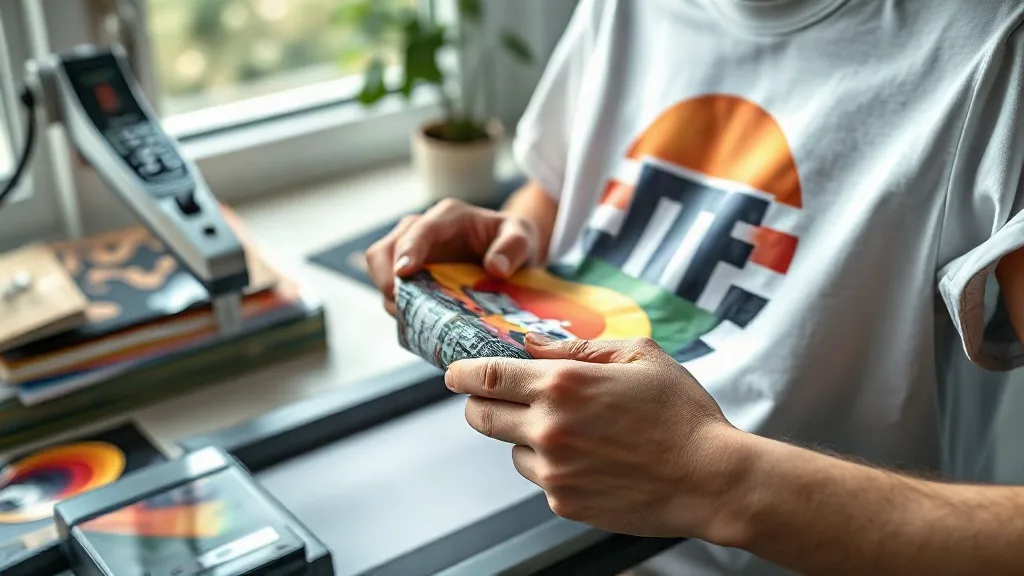
If you've been exploring custom apparel printing, you've likely come across dtf transfers. This method has quickly become a favorite among hobbyists and professionals alike for its versatility and vibrant results. Unlike other printing techniques, DTF (Direct to Film) allows you to print detailed, full-color designs onto a special film and then transfer them to a wide range of fabrics, including cotton, polyester, and blends. Whether you're running a small business or just want to personalize your wardrobe, understanding DTF transfers can open up a world of creative possibilities.
What Are DTF Transfers and How Do They Work?
DTF transfers are a game-changer in the world of garment decoration. The process starts with printing your design onto a PET film using specialized dtf inks. These inks are vibrant and durable, capable of reproducing intricate details and gradients. After printing, a hot melt adhesive powder is applied to the wet ink. This powder is what allows the design to bond to the fabric during heat pressing. Once the powder is applied, the film is cured (dried) and is then ready to be transferred.
The beauty of DTF lies in its simplicity and the fact that it works on almost any fabric. No pre-treatment is required, and you don't need to worry about the fabric composition. This makes it an incredibly accessible method for beginners and a reliable option for professionals. Plus, DTF transfers can be stored for later use, giving you the flexibility to print on demand.
Why Choose DTF Transfers?
There are several reasons why DTF has gained such popularity. First, the color vibrancy is exceptional. The prints are bright and stand out, even on dark garments. Second, the durability is impressive; when applied correctly, DTF transfers withstand repeated washing without fading or cracking. Third, the method is cost-effective for short runs and complex designs, as there's no need for screens or plates.
Another advantage is the ability to print on hard-to-decorate items like nylon, leather, and even wood, although results may vary. This versatility makes DTF a go-to solution for customizing everything from t-shirts to tote bags.
Step-by-Step Guide to Applying DTF Transfers
Applying DTF transfers is straightforward, but following the right steps ensures a professional finish. Here's what you need to know.
1. Prepare Your Workspace and Materials
Gather your supplies: a heat press, the DTF transfer film, the garment, and a protective sheet (like parchment paper or a Teflon sheet). Ensure your heat press is preheated to the correct temperature (typically around 300°F to 320°F or 150°C to 160°C).
2. Preheat the Garment
Preheating removes moisture and wrinkles from the fabric, which helps the transfer adhere better. Press the garment for 5-10 seconds.
3. Position the Transfer
Place the transfer film onto the garment with the design facing up. If your design has a specific orientation, make sure it's correct before pressing.
4. Press the Transfer
Cover the transfer with a protective sheet. Press with medium pressure for 15-20 seconds. The exact time and temperature may vary depending on your heat press and the film manufacturer's recommendations, so always check the instructions.
5. Peel the Film
After pressing, allow the transfer to cool completely before peeling the film. This is a crucial step: peeling while hot can cause the design to stretch or tear. Once cool, peel the film smoothly in one continuous motion.
6. Post-Press (Optional)
For added durability, you can cover the design with a protective sheet and press for another 5-10 seconds. This helps the adhesive fully bond with the fabric.
Common Mistakes to Avoid
Even with a straightforward process, some pitfalls can affect your results. Here are a few to watch out for:
- Insufficient pressure: Too little pressure prevents the adhesive from penetrating the fabric, leading to peeling. Adjust your heat press to ensure even, medium pressure.
- Peeling too soon: Patience is key. Always wait until the transfer is completely cool before peeling.
- Using the wrong powder: DTF powder is specifically designed for this process. Using other adhesives can ruin the transfer.
- Not preheating the garment: Moisture and wrinkles can cause poor adhesion. Always preheat.
Choosing the Right DTF Supplies
The quality of your supplies directly impacts the outcome. Invest in high-quality DTF film and powder from reputable suppliers. The film should be compatible with your printer, and the powder should have a fine, consistent texture. Additionally, using a reliable heat press with accurate temperature and pressure control is essential.
If you're looking to buy DTF transfers, many online services offer custom prints. When searching for dtf transfers near me, you'll find local shops that can provide quick turnaround and personalized service. Supporting local businesses also allows you to build relationships and get expert advice.
DTF vs. Other Printing Methods
How does DTF stack up against other popular methods like screen printing, vinyl, and DTG (Direct to Garment)?
- Screen printing: Great for large orders and bold designs, but setup costs are high and it's not cost-effective for small runs. DTF shines for small batches and complex designs.
- Vinyl: Ideal for simple, single-color designs, but limited in detail and color. DTF handles full-color images with ease.
- DTG: Best for 100% cotton and offers soft-hand prints, but requires pre-treatment and can be less vibrant on dark fabrics. DTF works on almost any fabric and delivers vibrant colors.
Each method has its place, but DTF's versatility and low barrier to entry make it a strong contender for many projects.
Frequently Asked Questions
Can I use DTF transfers on dark-colored shirts?
Absolutely. DTF transfers include a white ink layer that acts as a base, allowing the colors to pop on dark fabrics. This is one of the key advantages over other methods.
How durable are DTF transfers?
When applied correctly, DTF transfers are highly durable and can withstand many washes. To prolong the life of the print, wash the garment inside out in cold water and avoid using bleach or fabric softeners.
What fabrics work best with DTF?
DTF works on a wide range of fabrics, including cotton, polyester, blends, nylon, and even leather. However, fabrics with a rough texture or heavy coating may require testing to ensure good adhesion.
Do I need a special printer for DTF?
Yes, DTF printing requires a printer that uses DTF inks (usually a modified inkjet printer) and a RIP software to manage the printing process. Alternatively, you can purchase pre-printed DTF transfers from suppliers.
How should I store DTF transfers?
Store unused transfers in a cool, dry place away from direct sunlight. Keep them flat to prevent creasing. Properly stored transfers can last for several months.
DTF transfers offer a fantastic way to bring your creative ideas to life on fabric. With a bit of practice and attention to detail, you'll be producing professional-quality garments in no time.