
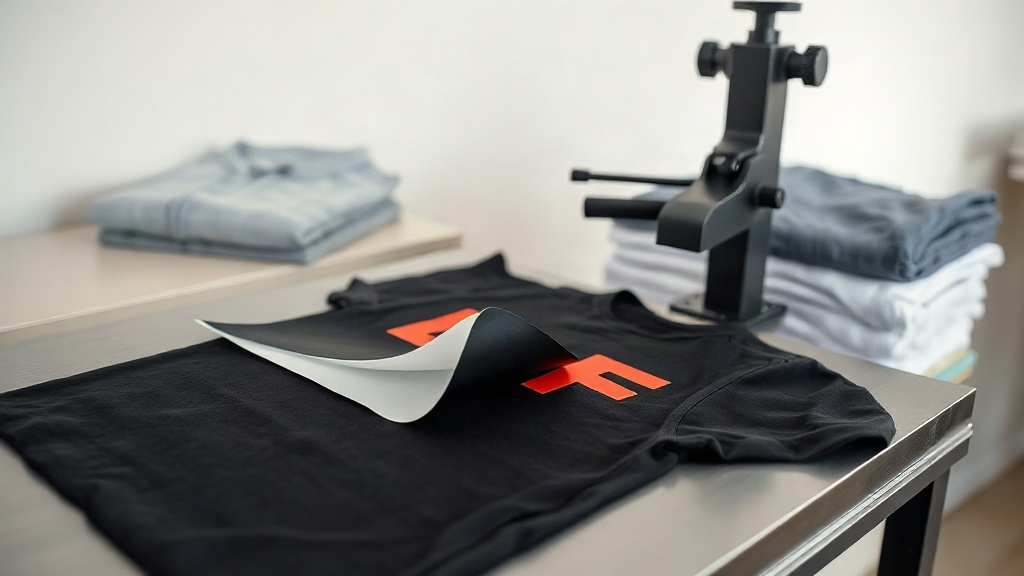
When you're decorating custom apparel, the choice between DTF transfers and screen printing can make or break your project. You've probably heard that screen printing is the gold standard for bulk orders, while DTF transfers are the new kid on the block offering flexibility and vibrant colors. But how do these methods actually perform on popular blank brands like Shaka Wear and Smart Blanks? If you're a small business owner, a print shop operator, or just someone who wants to create standout merch, this comparison will give you the practical insights you need to decide.
Understanding the Basics: DTF Transfers and Screen Printing
Before we dive into the specifics, let's quickly clarify what each method entails. Screen printing involves pushing ink through a mesh screen onto the fabric. It's a stencil-based process where each color requires a separate screen. This method is renowned for its durability and cost-effectiveness on large orders. On the other hand, DTF transfers (Direct-to-Film) involve printing your design onto a special film, coating it with adhesive powder, and then heat-pressing it onto the garment. DTF transfers have gained massive popularity because they work on almost any fabric, including cotton, polyester, and blends, without the need for multiple screens.
Why Shaka Wear and Smart Blanks Are Go-To Choices
Shaka Wear is famous for its heavyweight, durable t-shirts that hold up well to repeated washing and wear. Their blanks are a favorite among streetwear brands and print shops because of their boxy fit and substantial feel. Smart Blanks, on the other hand, offers a wide range of affordable, soft, and versatile garments, including tees, hoodies, and tank tops. Both brands provide excellent canvases for customization, but their fabric compositions and textures can influence how well a printing method adheres and lasts.
Fabric Composition Matters
Shaka Wear tees are typically 100% cotton, often in heavier weights like 6.0 oz or more. This makes them ideal for screen printing because the ink sits on the surface and cures well. Smart Blanks often blend cotton with polyester for a softer hand feel. Blends can be tricky for screen printing because the ink may not bond as strongly to synthetic fibers, leading to fading or cracking. DTF transfers, however, use a thermoplastic adhesive that bonds to both natural and synthetic fibers, making them a better match for blended fabrics.
Durability: How Long Does Each Last?
Durability is a top concern for anyone investing in custom apparel. Screen printing is known for its longevity. When properly cured, plastisol ink can outlast the garment itself. However, on blends, the ink can crack over time, especially if the garment is stretched. DTF transfers have improved significantly in recent years. On Shaka Wear's heavyweight cotton, a well-applied DTF transfer can survive dozens of washes without noticeable fading or peeling. On Smart Blanks' softer blends, DTF transfers tend to flex with the fabric, reducing the risk of cracking. That said, improper application (wrong temperature, pressure, or time) can lead to premature failure, so following the transfer supplier's instructions is critical.
Wash Test: Real-World Results
In my own shop, I ran a test with both methods on Shaka Wear and Smart Blanks tees. After 20 washes, the screen-printed Shaka Wear tee showed minimal fading, but the print felt stiff. The DTF-printed Shaka Wear tee remained vibrant with a slight softness. On Smart Blanks, the screen print began to crack around the edges, while the DTF transfer stayed intact. This aligns with what many printers report: DTF transfers excel on blends and provide a softer feel.
Cost Considerations: Which Is More Budget-Friendly?
Cost is often the deciding factor. Screen printing has a high setup cost due to screen creation, but the per-unit cost drops significantly for large orders. For a one-color design on 100 shirts, screen printing is usually cheaper. DTF transfers have no setup fees and are cost-effective for small to medium orders, especially when you have multiple colors or complex designs. For a 12-piece order with a full-color graphic, DTF transfers win hands down. However, for 500 simple one-color tees, screen printing is more economical.
Hidden Costs to Watch
With screen printing, you also need to factor in screen reclaiming, storage, and the risk of misprints. DTF transfers require a heat press and a printer, but if you outsource the transfers, you only pay for what you use. Many print shops now offer DTF transfer services, so you can order custom transfers and press them yourself. This hybrid approach can be very cost-effective for small businesses.
Design Complexity and Color Vibrancy
Screen printing struggles with photorealistic images, gradients, and fine details. Each color adds cost and complexity. DTF transfers handle full-color designs with ease, including gradients, shadows, and fine lines. The colors are vibrant and opaque, even on dark garments. On Shaka Wear's dark heather tees, DTF transfers produce a bright, eye-catching print without the need for a white underbase, which can add stiffness in screen printing. Smart Blanks' lighter colors also benefit from DTF's ability to print without a base, resulting in a softer feel.
When Screen Printing Still Shines
For bold, simple logos with 1-3 colors, screen printing offers a classic look and unmatched durability. It's also the go-to for large runs where cost per unit is king. If you're printing on 100% cotton Shaka Wear tees, screen printing can deliver a vintage, embedded feel that some customers prefer.
Application Process: Heat Press vs. Screen Press
Applying DTF transfers requires a heat press. You need to set the right temperature (usually 300-325°F), pressure (medium to firm), and time (10-15 seconds). Peeling can be hot or cold, depending on the film. Screen printing involves a squeegee, a screen, and a press. It's more labor-intensive for multi-color jobs but can be automated for high volume. For beginners, DTF transfers have a lower learning curve, but mastering the heat press settings takes practice.
Tips for Perfect DTF Application on Shaka Wear and Smart Blanks
- Pre-press the garment for 5-10 seconds to remove moisture.
- Use a Teflon sheet or parchment paper over the transfer to protect it.
- Apply firm pressure; if the transfer looks dull, increase pressure.
- For Shaka Wear's heavy cotton, extend press time by 2-3 seconds for better adhesion.
- For Smart Blanks' blends, use slightly lower temperature to avoid scorching.
Environmental Impact
Screen printing uses plastisol inks, which contain PVC and phthalates, though eco-friendly options exist. DTF transfers use water-based inks and a PET film, which is recyclable in some areas. However, the adhesive powder can be messy. Both methods have environmental trade-offs, but DTF transfers generally produce less waste for small orders since there's no screen cleaning or chemical reclaiming.
Making the Right Choice for Your Business
If you're printing on Shaka Wear and want maximum durability for simple designs in large quantities, screen printing is a solid choice. If you're working with Smart Blanks and need vibrant, detailed prints on blends without minimums, DTF transfers are likely your best bet. Many successful shops use both methods, choosing based on the order. For example, a streetwear brand might use DTF for limited-edition drops with complex art, and screen printing for their core logo tees. The key is to test both on your preferred blanks and see what your customers love.
Frequently Asked Questions
Can I use DTF transfers on Shaka Wear's heavyweight cotton tees?
Absolutely. DTF transfers adhere well to 100% cotton, including heavyweight fabrics like Shaka Wear. The key is to apply enough pressure and time to ensure the adhesive penetrates the fibers. Pre-pressing the garment helps remove wrinkles and moisture, leading to a smoother application.
Which method is better for Smart Blanks' poly-cotton blends?
DTF transfers are generally better for blends because the adhesive bonds to both cotton and polyester. Screen printing on blends can lead to cracking over time, especially if the ink isn't formulated for synthetics. However, using a low-bleed or poly ink with screen printing can also work, but it requires more expertise.
How many washes can I expect a DTF transfer to last on Shaka Wear?
With proper application and care (washing inside out in cold water, no bleach), a DTF transfer on Shaka Wear can last 50+ washes. Some users report even longer. The print may fade slightly but should remain intact. Screen printing typically lasts even longer, often outlasting the garment.
Is DTF printing cost-effective for small orders compared to screen printing?
Yes, for small orders (under 50 pieces), DTF transfers are usually more cost-effective because there are no setup fees or minimums. Screen printing becomes cheaper per unit only when you order in larger quantities (usually 50+). For a 10-shirt order with a full-color design, DTF is the clear winner.
What equipment do I need to start with DTF transfers?
You'll need a DTF printer (or a supplier who provides transfers), a heat press, and a computer for design. If you outsource transfers, you only need a heat press. For screen printing, you need a press, screens, emulsion, ink, and a exposure unit, which is a larger investment.