
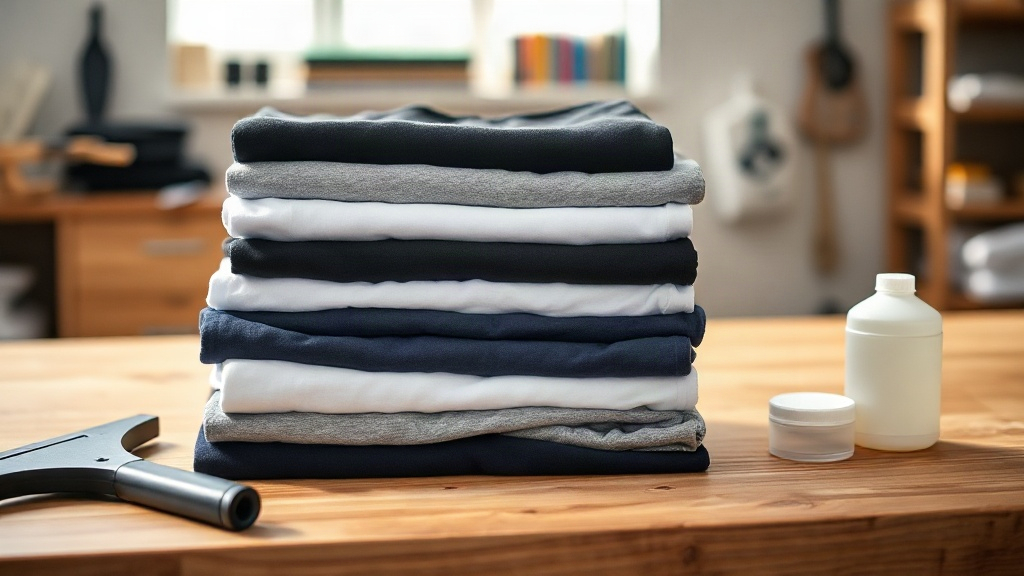
If you've spent any time in the custom apparel world, you've likely heard the name Shaka Wear. Founded in Los Angeles, this brand has built a reputation for producing high-quality blank garments that cater to screen printers, streetwear brands, and anyone who values durable, comfortable clothing. But what exactly makes Shaka Wear stand out in a crowded market? In this guide, we'll dive deep into the brand's offerings, from fabric weights to fit options, and share practical tips for getting the most out of your next custom print project.
Why Shaka Wear Has Become a Go-To for Custom Printing
When you're printing custom apparel, the blank you choose can make or break the final product. A flimsy tee that shrinks after one wash or a hoodie with inconsistent stitching can lead to unhappy customers and wasted time. That's where Shaka Wear shines. Their garments are known for their substantial feel, thanks to heavier fabric weights and tight knitting. This not only provides a premium hand feel but also creates a smooth surface that takes screen printing, DTG, and embroidery exceptionally well.
Another reason printers love Shaka Wear is consistency. Batch after batch, you can expect the same measurements and color accuracy. This reliability is crucial when you're fulfilling large orders or building a brand that requires a uniform look across multiple product drops.
Understanding Shaka Wear's Fabric and Fit Options
Shaka Wear offers a range of styles, each with its own characteristics. Let's break down the most popular categories so you can choose the right one for your needs.
Heavyweight T-Shirts
The brand's heavyweight tees are a staple for many printers. Typically made from 100% cotton, these shirts often weigh in at 6.0 oz or more per square yard. That extra weight translates to a draped, structured look that resists clinging. The fabric is also pre-shrunk, so you won't see dramatic size changes after washing. Popular models include the SHASS01 and SHASS02, which feature a classic crew neck and a relaxed fit.
Hoodies and Sweatshirts
For cooler weather or streetwear collections, Shaka Wear hoodies are a fantastic choice. They're often made with a cotton-poly blend for softness and durability. The fleece lining is brushed for extra comfort, and the hoods are double-lined for structure. If you're printing on hoodies, these take plastisol and water-based inks beautifully, though you may need to adjust your curing process due to the thicker material.
Fit and Sizing
Shaka Wear generally runs true to size, but their fits tend to be more generous than some other blank brands. For example, a size large might feel like an XL in a slimmer cut. Always check the size chart and, if possible, order a sample before committing to a large run. This is especially important for women's styles, which may have a more tapered fit.
How to Achieve the Best Print Results on Shaka Wear
Getting a crisp, long-lasting print on any garment requires the right technique. Here are some tried-and-true tips from experienced printers who work with Shaka Wear regularly.
Screen Printing
For screen printing, you'll want to use a platen adhesive that holds the fabric taut without stretching it. Because Shaka tees are heavier, you might need to increase your squeegee pressure slightly to ensure the ink clears the mesh. A 110 to 160 mesh count works well for most designs. If you're using water-based inks, consider adding a low-cure additive to prevent scorching the cotton.
Direct-to-Garment (DTG)
DTG printing on Shaka Wear is straightforward, but pre-treatment is key. The heavier fabric absorbs more pretreatment solution, so you may need to apply a slightly heavier coat than usual. Also, ensure the garment is completely flat before printing to avoid misalignment. A heat press with even pressure will help the ink bond properly.
Embroidery
For embroidery, the dense fabric of Shaka Wear provides excellent stability. Use a medium-weight cutaway stabilizer to prevent puckering. Because the fabric is thick, you might need to reduce your stitch density slightly to avoid needle deflection. A sharp needle, such as a 75/11 sharp, will give you clean results.
Common Pitfalls to Avoid When Printing on Shaka Wear
Even seasoned printers can run into issues if they're new to this brand. Here are a few things to watch out for.
- Shrinkage: Although Shaka Wear garments are pre-shrunk, some residual shrinkage can occur, especially if you use high heat in the dryer. Always wash and dry according to the care label, and inform your customers to do the same.
- Dye migration: On darker colors, dye migration can be a problem, particularly with polyester blends. Use a low-bleed ink or a barrier base to prevent the dye from ruining your design.
- Inconsistent sizing: While Shaka Wear is generally consistent, it's wise to order a few samples from different batches if you're doing a large run. This helps you catch any discrepancies early.
Shaka Wear vs. Other Blank Brands: A Quick Comparison
How does Shaka Wear stack up against competitors like Bella+Canvas or Gildan? Here's a quick breakdown.
- Fabric weight: Shaka Wear tends to be heavier than Bella+Canvas, which is known for its lightweight, soft tees. If you want a substantial feel, Shaka is the better choice.
- Price: Shaka Wear falls in the mid-range, often slightly more expensive than Gildan but less than premium brands like American Apparel.
- Fit: Shaka Wear offers a more relaxed, streetwear-inspired fit, while Bella+Canvas leans toward a modern, slim fit.
Ultimately, the best blank depends on your target audience and the vibe you want to create. Many printers keep both Shaka and Bella on hand to offer variety.
Frequently Asked Questions About Shaka Wear
What is the fabric weight of Shaka Wear t-shirts?
Most Shaka Wear t-shirts are 6.0 oz or heavier, making them a heavyweight option. Some styles, like the SHASS01, are 6.5 oz. This weight gives them a durable, premium feel that's ideal for custom printing.
Does Shaka Wear run true to size?
Yes, Shaka Wear generally runs true to size, but their fit is relaxed. If you prefer a slimmer fit, you might want to size down. Always consult the size chart for specific measurements.
Can I use DTG printing on Shaka Wear hoodies?
Yes, DTG printing works on Shaka Wear hoodies, but it requires careful pre-treatment. Because the fabric is thick and absorbent, you'll need to apply more pretreatment solution and ensure the garment is flat. For best results, use a DTG printer with a height adjustment to accommodate the thicker material.
Where can I buy Shaka Wear blanks?
Shaka Wear blanks are available through various wholesale distributors and online retailers. You can also purchase directly from the Shaka Wear website. For bulk orders, check with your local screen printing supplier for the best pricing.
Is Shaka Wear good for embroidery?
Absolutely. The dense fabric provides a stable base for embroidery. Use a cutaway stabilizer and a sharp needle to prevent puckering and needle breaks. The results are professional and long-lasting.
Final Thoughts
Shaka Wear has earned its place as a trusted brand among printers and designers. With its focus on quality fabrics, consistent sizing, and versatile styles, it's a solid choice for anyone looking to create custom apparel that stands out. Whether you're printing a few shirts for a local event or launching a full streetwear line, Shaka Wear blanks provide a reliable canvas for your creativity. Just remember to test your printing technique on a sample first, and you'll be well on your way to producing garments that people love to wear.