
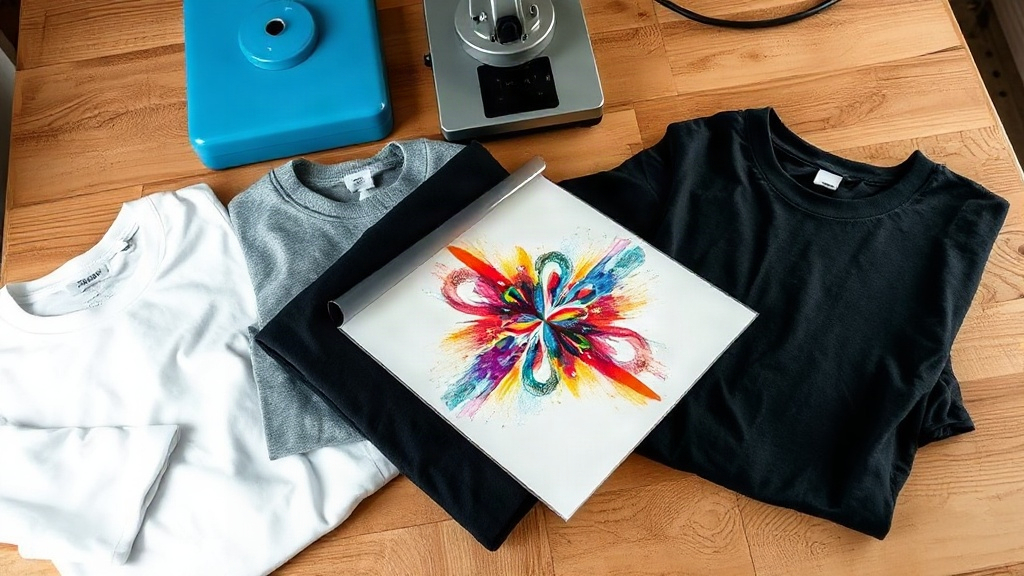
When you first step into the world of custom apparel, the choices can feel endless. Fabric types, fits, colors, and printing methods all compete for your attention. Yet one decision quietly shapes everything else: the blank itself. Smart blanks have emerged as a game changer, offering a foundation that works seamlessly with modern decoration techniques like DTF transfers. Whether you are a seasoned screen printer or a DIY enthusiast, understanding what makes a blank "smart" can elevate your finished products from homemade to high-end.
What Exactly Are Smart Blanks?
The term "smart blanks" does not refer to a single brand or fabric. Instead, it describes garments engineered with specific characteristics that make them ideal for customization. These blanks typically feature a tight, even weave, minimal shrinkage, and a smooth surface that accepts inks, transfers, and embellishments without distortion. Think of them as the canvas for your art: the better the canvas, the better the final piece.
In practice, smart blanks often include ring-spun cotton, combed cotton, or premium blends that feel soft yet durable. They resist pilling and fading, and they hold their shape after repeated washing. For anyone using DTF transfers, these qualities are not just nice to have; they are essential for a professional-looking result.
Why Smart Blanks Matter for DTF Transfers
DTF (Direct to Film) transfers have revolutionized custom apparel because they allow full-color, highly detailed designs to be applied to a wide range of fabrics. However, not all blanks are created equal when it comes to DTF. A poor-quality blank can cause the transfer to peel, crack, or look washed out. Smart blanks solve these problems by providing a consistent surface that bonds well with the adhesive and ink.
From my own experience, I have seen projects fail simply because the blank was too loosely woven or had a heavy chemical finish. The transfer looked great initially, but after a few washes, it began to lift at the edges. Switching to a smart blank eliminated that issue entirely. The key is to look for blanks that are preshrunk and have a smooth, lint-free surface.
Key Features to Look For in a Smart Blank
- Fabric weight: 4.5 to 6.5 oz is ideal for DTF; too light and the transfer may distort, too heavy and it may not adhere evenly.
- Weave density: A tight weave prevents the transfer from sinking into the fabric, preserving detail.
- Finish: Avoid blanks with silicone or heavy softeners, as these can interfere with adhesion.
- Colorfastness: The blank should hold its color without bleeding into the transfer.
Shaka Wear: A Prime Example of Smart Blanks
When discussing smart blanks, Shaka Wear often comes up in conversations among apparel professionals. Known for their heavyweight cotton tees and consistent quality, Shaka Wear garments embody the principles of smart blanks. Their tees are made from 100% cotton, pre-shrunk, and feature a tight knit that provides an excellent surface for DTF transfers.
I recently used a Shaka Wear tee for a complex DTF design with fine gradients. The transfer applied smoothly at 325°F for 15 seconds with medium pressure, and the result was vibrant and durable. After multiple washes, the print remained intact with no cracking. That reliability is why many decorators keep Shaka Wear in their rotation.
How Shaka Wear Enhances DTF Results
Shaka Wear's blanks are designed with decoration in mind. Their fabric is not overly treated with softeners, so the DTF adhesive can grip properly. The consistent thickness across the garment means even pressure during pressing, which is crucial for avoiding cold spots. Additionally, their size range and color options make them versatile for everything from retail-ready tees to promotional giveaways.
Choosing the Right Smart Blank for Your Project
Not every smart blank works for every project. Consider the end use: a retail customer might expect a softer hand feel, while a workwear client prioritizes durability. For DTF transfers, I recommend testing a sample first. Press a small design onto a scrap piece of the blank and wash it a few times. This simple step can save you from a large batch of failed shirts.
Also, think about the color of the blank. DTF transfers are opaque, but on dark colors, a white underbase is printed as part of the transfer. Smart blanks with a smooth surface ensure that the white layer looks bright and the colors pop. On heather or textured fabrics, the transfer may appear slightly muted, which can be a desired effect or a drawback depending on your design.
Maximizing Durability: Tips from the Workshop
Even with the best smart blanks, proper application and care are essential. Here are some field-tested tips:
- Pre-press the garment: This removes moisture and wrinkles, creating a flat surface for the transfer.
- Use the right pressure: Medium to firm pressure ensures the transfer adheres without crushing the fabric.
- Peel correctly: For DTF, peel while hot or cold depending on the film instructions; most modern films are hot-peel.
- Wash inside out: Advise your customers to wash inside out in cold water and tumble dry low to extend the life of the print.
These steps, combined with quality smart blanks, result in apparel that looks professional and lasts.
Frequently Asked Questions About Smart Blanks
What makes a blank "smart" for DTF transfers?
A smart blank has a tight weave, minimal shrinkage, and a smooth, untreated surface that allows DTF transfers to adhere properly and resist cracking or peeling.
Can I use Shaka Wear blanks for DTF printing?
Absolutely. Shaka Wear tees are heavyweight, pre-shrunk, and have a consistent surface, making them excellent for DTF transfers. Many professionals rely on them for high-quality results.
How do I prevent DTF transfers from peeling on smart blanks?
Ensure proper application: pre-press the garment, use medium-firm pressure, and follow the transfer manufacturer's temperature and time recommendations. Also, choose a smart blank with a tight weave and no silicone finish.
Are smart blanks more expensive than regular blanks?
They can be slightly more expensive, but the improved yield and reduced waste often offset the cost. Plus, the enhanced quality can justify a higher retail price for your finished products.
Where can I buy smart blanks and DTF supplies?
Many online retailers specialize in blank apparel and DTF materials. Look for suppliers that offer detailed product specifications and carry trusted brands like Shaka Wear.
Final Thoughts
Investing in smart blanks is one of the smartest moves you can make for your custom apparel business. They provide the reliable foundation that DTF transfers need to shine, and brands like Shaka Wear set a high standard for quality. By choosing the right blank and following best practices, you can create garments that not only look great but also withstand the test of time. So next time you plan a project, start with the blank: it is the unsung hero of every successful print.