
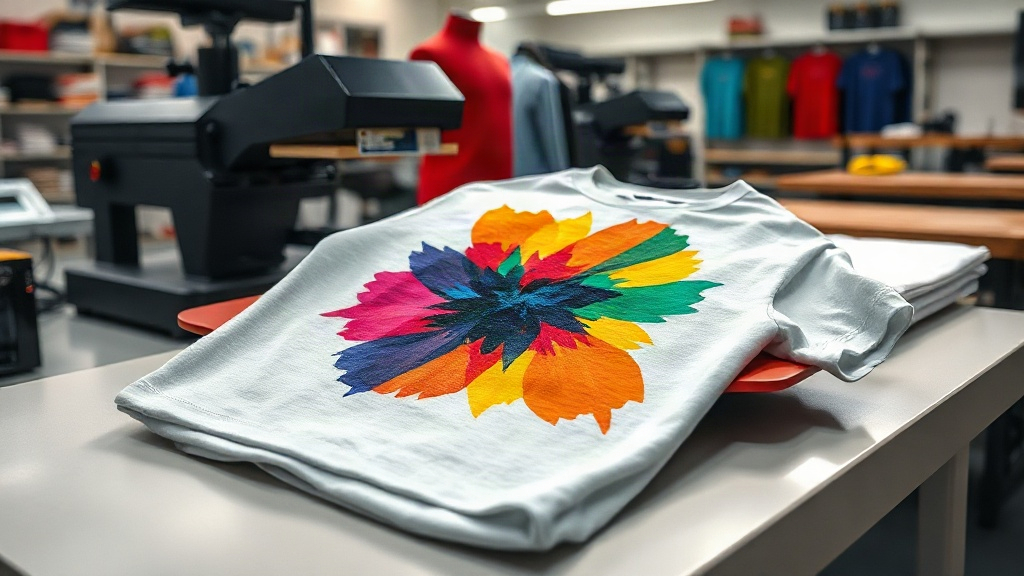
If you've been exploring custom apparel printing, you've likely heard about DTF transfers. This technology has quickly become a favorite among print shops, small business owners, and DIY enthusiasts. Unlike traditional methods that require complex setups, DTF transfers offer a straightforward way to produce vibrant, durable prints on a wide range of fabrics. In this guide, we'll walk you through the essentials of DTF transfers, from how they work to choosing the right blanks like Shaka Wear and Smart Blanks. Whether you're just starting or looking to refine your process, this article will give you the practical knowledge you need.
What Are DTF Transfers?
DTF stands for Direct to Film. It's a printing method where your design is printed onto a special film, coated with a powdered adhesive, and then heat-pressed onto the fabric. The result is a soft, stretchable print that bonds well with cotton, polyester, and blends. DTF transfers are known for their ability to handle intricate details and bright colors without the limitations of screen printing or vinyl.
One of the biggest advantages of DTF transfers is that they don't require pre-treatment or special inks for different fabric types. This makes them incredibly versatile for both light and dark garments. Plus, the process is relatively clean and efficient, making it accessible for small-scale operations.
Why Choose DTF Transfers Over Other Methods?
When you compare DTF transfers to other decoration methods, several benefits stand out:
- No color limitations: You can print full-color designs with gradients and fine details without worrying about color separations.
- Works on multiple fabrics: From 100% cotton to polyester and blends, DTF transfers adhere well without cracking or fading.
- Cost-effective for short runs: Unlike screen printing, which requires setup costs per color, DTF transfers are economical for small batches and one-offs.
- Durability: When applied correctly, DTF prints withstand repeated washing without peeling or fading.
- Soft feel: The prints are thin and flexible, so they don't feel heavy on the garment.
These benefits make DTF transfers an excellent choice for custom t-shirts, hoodies, tote bags, and more. If you're looking to offer high-quality custom apparel, DTF is a method worth mastering.
Choosing the Right Blanks for DTF Transfers
The quality of your final product depends not only on the printing method but also on the garment itself. Not all blanks are created equal, and some work better with DTF transfers than others. Here are two trusted brands that consistently deliver great results:
Shaka Wear: Heavyweight and Reliable
Shaka Wear is a brand known for its heavyweight cotton t-shirts and hoodies. Their garments provide a smooth, even surface that allows DTF transfers to adhere beautifully. The fabric's tight weave minimizes texture interference, so your prints come out crisp and vibrant. Many professionals prefer Shaka Wear for its consistent sizing and durability, making it a go-to for retail-quality apparel.
Smart Blanks: Affordable and Versatile
Smart Blanks offers a wide range of budget-friendly options without compromising on quality. Their shirts are soft, comfortable, and take DTF transfers well. Whether you're printing for a small event or building a clothing line, Smart Blanks provides a reliable canvas for your designs. The brand's variety in styles and colors gives you flexibility to experiment with different looks.
How to Apply DTF Transfers: Step-by-Step
Applying DTF transfers is straightforward, but following the correct steps ensures a professional finish. Here's a simple guide:
- Prepare your workspace: Set your heat press to the recommended temperature (usually 300-325°F) and preheat the garment for a few seconds to remove moisture.
- Position the transfer: Place the DTF transfer film onto the garment with the printed side facing up. Use heat-resistant tape if needed to keep it in place.
- Press: Apply medium to firm pressure for 10-15 seconds. The exact time may vary based on your press and the film manufacturer's instructions.
- Peel: Wait a few seconds for the transfer to cool slightly, then peel off the film in a smooth, steady motion. For a matte finish, you can peel while hot; for glossy, wait until cool.
- Post-press: Cover the design with a Teflon sheet or parchment paper and press again for 5-10 seconds to ensure proper adhesion.
Always test on a scrap piece of fabric first to dial in your settings. With a bit of practice, you'll be able to apply DTF transfers quickly and consistently.
Common Mistakes to Avoid with DTF Transfers
Even though DTF transfers are user-friendly, some pitfalls can affect the outcome. Here are a few to watch out for:
- Insufficient pressure: If the pressure is too low, the transfer won't bond properly and may peel off after washing.
- Wrong temperature: Too much heat can scorch the film or the garment; too little heat results in poor adhesion.
- Not pre-pressing: Moisture in the fabric can cause steam pockets that prevent a smooth application.
- Peeling too soon or too late: Follow the film's instructions for hot or cold peel to avoid cracking or incomplete transfer.
- Using fabric softener: This can leave a residue that interferes with adhesion. Wash garments inside out without softener before printing.
Pairing DTF Transfers with Shaka Wear and Smart Blanks
When you combine high-quality DTF transfers with reliable blanks like Shaka Wear and Smart Blanks, you set yourself up for success. These brands are popular among decorators for good reason: they provide consistent quality that complements the DTF process. For instance, Shaka Wear's heavyweight cotton tees are ideal for bold, opaque designs, while Smart Blanks' softer fabrics work well for lighter, more intricate prints. By choosing the right blank for your project, you enhance the final look and feel of your apparel.
Frequently Asked Questions About DTF Transfers
How long do DTF transfers last?
With proper application and care, DTF transfers can last as long as the garment itself. They are resistant to cracking, peeling, and fading, especially when washed inside out in cold water and tumble dried on low.
Can I use DTF transfers on dark colors?
Absolutely. DTF transfers include a white ink layer that makes colors pop on dark fabrics. You don't need special pre-treatment; just apply as usual.
Do I need a heat press for DTF transfers?
While you can use a home iron, a heat press is highly recommended for consistent pressure and temperature. It ensures professional results and durability.
What fabrics work best with DTF transfers?
DTF transfers work on cotton, polyester, blends, and even some synthetic fabrics. They are not recommended for nylon or fabrics with a heavy waterproof coating.
Can I layer DTF transfers?
Yes, you can layer multiple transfers to create multi-color designs. Just press each layer separately, following the same steps.
DTF transfers have opened up new possibilities for custom apparel. With the right knowledge and materials, you can produce stunning, durable prints that impress your customers. Remember to choose quality blanks like Shaka Wear and Smart Blanks, and follow best practices for application. Happy printing!