
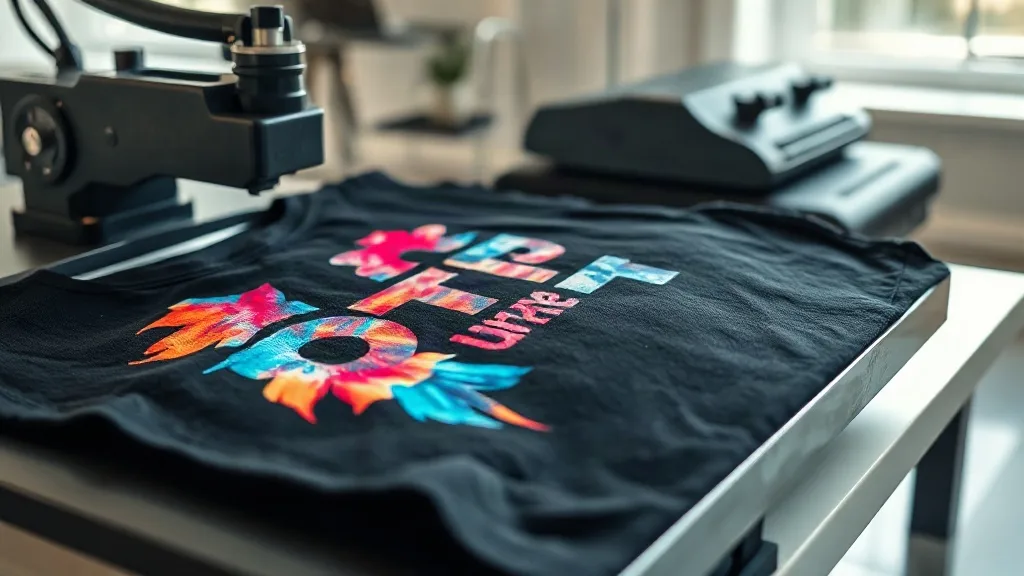
If you have ever wondered how custom t-shirts get those vibrant, detailed designs that seem to pop right off the fabric, you are likely looking at dtf transfers. This printing method has taken the garment decoration world by storm, and for good reason. Unlike traditional screen printing or vinyl, DTF offers incredible versatility, letting you print full-color images on almost any fabric with remarkable durability. Whether you are a small business owner, a hobbyist, or someone who simply loves personalized apparel, understanding DTF technology can save you time, money, and a lot of frustration. In this guide, we will walk through the entire process, from how it works to how you can get the best results.
What Are DTF Transfers?
dtf transfers are printed designs on a special film that are then applied to fabric using a heat press. The process begins with a digital printer that lays down CMYK inks onto a PET film, followed by a layer of hot-melt adhesive powder. Once the powder is cured, the transfer is ready to be pressed onto a garment. When heat and pressure are applied, the adhesive melts and bonds the ink to the fabric, creating a soft, stretchable, and long-lasting print. Unlike DTG (direct-to-garment) printing that requires pre-treatment and works best on cotton, DTF adheres well to cotton, polyester, blends, and even nylon, making it a universal solution.
Why DTF Transfers Are Gaining Popularity
There are several reasons why DTF has become a go-to method for many print shops. First, the color vibrancy is exceptional. Because the design is printed on film and then transferred, you get bright, opaque colors even on dark garments without the need for a white underbase. Second, the detail resolution is high, allowing for intricate patterns, gradients, and fine lines that other methods might struggle with. Third, the cost per print is relatively low once you have the equipment, especially for short runs. And fourth, the application is straightforward: you need a heat press and a few minutes per garment. These factors make DTF an attractive option for both one-off custom jobs and small-batch production.
How to Apply DTF Transfers Correctly
Getting a professional finish with DTF transfers requires attention to a few key details. Here is a step-by-step breakdown to ensure your transfers look great and last.
Step 1: Prepare Your Heat Press
Set your heat press to the recommended temperature, typically between 325°F and 350°F (160°C to 175°C). Pre-press the garment for a few seconds to remove moisture and wrinkles. This step is crucial because moisture can prevent proper adhesion. Use a lint roller to remove any dust or fibers from the fabric surface.
Step 2: Position the Transfer
Place the DTF transfer on the garment with the printed side facing up. The film backing should be on top. If you are working with a design that needs precise placement, use heat-resistant tape to hold it in place. Avoid touching the adhesive side with your fingers, as oils can interfere with the bond.
Step 3: Press and Peel
Apply medium to firm pressure for 10 to 15 seconds. After pressing, you can either peel the film while it is still hot (hot peel) or wait for it to cool down (cold peel). Most modern DTF films are designed for cold peel, which gives a smoother finish. Gently peel the film from one corner. If the design lifts with the film, press again for a few more seconds. Once peeled, press the garment again for 5 seconds with a Teflon sheet or parchment paper to ensure the adhesive fully sets.
Step 4: Post-Press for Durability
A final press helps the transfer withstand washing and stretching. Use a lower pressure and press for about 5 to 10 seconds. This step is often overlooked but significantly extends the life of the print.
Choosing the Right DTF Transfers for Your Needs
Not all DTF transfers are created equal. The quality of the film, ink, and powder varies between suppliers, and that affects the final result. When sourcing DTF transfers, consider the following factors:
- Ink quality: Look for transfers that use high-quality pigments for vibrant colors and sharp details. Cheaper inks may fade or crack over time.
- Adhesive powder: The type of powder determines how well the transfer bonds to the fabric. A fine, evenly applied powder ensures a soft hand feel and strong adhesion.
- Film thickness: Thinner films conform better to the fabric and feel less like a plastic layer. They also tend to be more durable.
- Compatibility: Ensure the transfers are suitable for the fabric you intend to use. While DTF works on many materials, some blends may require specific settings.
If you are looking for reliable DTF transfers, you might want to explore options that are specifically designed for professional results. Many printers offer custom transfers where you can upload your design and receive ready-to-press films. This is ideal if you do not want to invest in a printer and powder shaker yourself.
Common Mistakes to Avoid with DTF Transfers
Even experienced crafters can run into issues. Here are some pitfalls to watch out for:
- Insufficient pressure: If the press does not apply enough pressure, the adhesive will not fully activate, leading to peeling. Make sure your press is calibrated.
- Wrong temperature: Too hot and the film may warp or the ink may burn; too cold and the adhesive will not melt. Always follow the transfer supplier's recommendations.
- Skipping the pre-press: Moisture is the enemy of adhesion. Always pre-press the garment to remove any dampness.
- Peeling too early or too late: Follow the recommended peel type (hot or cold) for your specific film. Peeling at the wrong time can cause the design to crack or lift.
- Not storing transfers properly: Keep unused transfers in a cool, dry place away from direct sunlight. Humidity can affect the powder.
DTF Transfers vs. Other Printing Methods
How does DTF stack up against screen printing, DTG, and vinyl? Here is a quick comparison:
- Screen printing: Best for large orders of simple designs. Setup costs are high, and each color requires a separate screen. DTF is more cost-effective for small runs and complex designs.
- DTG: Great for cotton, but requires pre-treatment and can be less vibrant on dark colors. DTF works on more fabrics and often produces brighter results.
- Vinyl: Ideal for simple text and shapes, but not for detailed images. DTF can handle full-color photographs and gradients with ease.
Overall, DTF offers a balance of quality, versatility, and affordability that is hard to beat.
Frequently Asked Questions About DTF Transfers
How long do DTF transfers last on a shirt?
With proper application and care, DTF transfers can last as long as the garment itself. Washing inside out in cold water and avoiding bleach will help maintain the print's vibrancy and adhesion. Typically, you can expect 50+ washes without significant fading or cracking.
Can I apply DTF transfers to polyester?
Yes, DTF transfers work well on polyester and polyester blends. However, because polyester is heat-sensitive, you should use a lower temperature (around 300°F to 325°F) and press for a shorter time to avoid scorching. Always test on a scrap piece first.
Do I need a special printer for DTF?
To create your own DTF transfers, you need a DTF printer, DTF ink, PET film, and adhesive powder, plus a heat press. Alternatively, you can order custom transfers from a supplier and simply apply them with a heat press. This is a great option if you want to avoid the upfront investment.
What is the best way to store unused DTF transfers?
Store them flat in a cool, dry place, away from direct sunlight and moisture. Avoid stacking heavy items on top of them. If stored properly, transfers can remain usable for several months.
Can I stretch a garment with a DTF transfer?
Yes, DTF transfers are flexible and will stretch with the fabric without cracking, provided they are applied correctly. This makes them ideal for athletic wear and stretchy materials.
Final Thoughts
DTF transfers have revolutionized the way we decorate apparel, offering unmatched versatility and durability. By understanding the process and following best practices, you can achieve professional results that impress your customers or elevate your personal projects. Whether you are just starting out or looking to expand your printing capabilities, DTF is a skill worth mastering. Remember to source quality supplies, pay attention to application details, and enjoy the creative freedom that DTF brings.