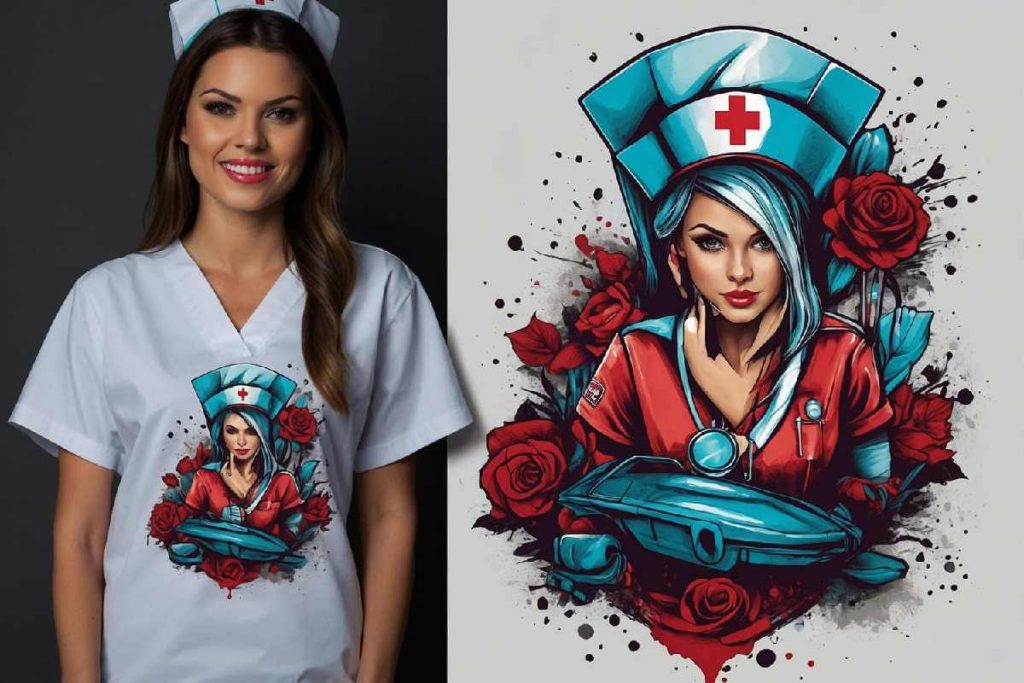
DTF printing has emerged as a go-to method for designers and hobbyists who want vibrant images on apparel without the complexity of traditional screen printing. Often called direct-to-film transfers, this approach sits between simpler heat-transfer methods and more industrial processes, making DTF transfers and DTF printing accessible to hobbyists. If you’re new to the concept, this beginner’s guide will walk you through what it is, how direct-to-film transfers work, what gear you need, and practical steps to achieve professional results. Whether you’re pairing the method with a reliable heat press for DTF or testing on a range of fabrics, the workflow leads to consistent outcomes. By the end, you’ll understand the workflow from concept to finished garment and feel confident choosing a film-based transfer workflow for your next project.
From an LSI perspective, the technique is often described as film-based transfers or direct-to-film artwork adhesion rather than a traditional print on fabric. This framing connects related concepts such as heat-press enabled transfers, PET film applications, and adhesive-backed prints, helping designers see how the process fits with other textile imaging methods. The emphasis shifts to the workflow—design, film preparation, curing, and then fabric transfer—so practitioners can adapt across fabrics and ink systems. Viewing it this way also highlights the role of color management, substrate compatibility, and post-press finishing in achieving consistent results. In short, this approach can be understood as a film-to-fabric transfer process that delivers durable, vibrant impressions on a broad range of textiles.
1) What is DTF Printing and Where It Fits in Modern Textile Design
DTF printing, or direct-to-film transfers, is a versatile method that sits between simple heat-transfer options and more industrial screen- or DTG-based processes. By printing designs onto a transparent PET film with water-based textile inks and then applying an adhesive powder, you create a ready-to-press transfer that can be back-pressed or reused. This approach is known for delivering fine lines, smooth gradients, and high color fidelity across a broad range of fabrics, making it a popular choice for designers and hobbyists alike.
In the broader landscape of textile printing, DTF transfers offer a balance of detail, durability, and workflow flexibility. For many projects, DTF printing provides a more forgiving and scalable option compared with traditional screen printing, while avoiding some of the longer setup times associated with DTG. This makes it an attractive pathway for small runs, custom apparel, and experimental designs across different garment types.
2) How Direct-to-Film Transfers Work: From Artwork to the Garment
The DTF workflow begins with careful artwork preparation, color management, and a mirrored layout so the final garment reads correctly. The artwork is printed onto PET film using water-based textile inks that are compatible with standard textile printers. After printing, a layer of hot-melt adhesive powder is spread across the inked surface, which is then cured to fuse the adhesive to the ink.
To complete the transfer, you align the coated film with the garment and apply heat with a press. Temperature, pressure, and dwell time vary by fabric and ink system, so it’s essential to follow manufacturer guidelines and run small test pulls first. Once the transfer cools, you peel away the film, leaving a vivid, durable image adhered to the fabric. This is the essence of how direct-to-film transfers become ready-for-wear designs.
3) Essential Gear for a Successful DTF Setup
Starting a DTF printing workflow requires a thoughtful kit: a printer capable of handling textile inks, PET transfer film, a supply of hot-melt adhesive powder, a curing device, and a reliable heat press. A compatible workstation with RIP software or robust color management tools ensures that color reproduction remains accurate on the film and in the final garment. While brands may vary, this core gear consistently supports DTF printing and the production of high-quality transfers.
To maintain consistency and repeatable results, it’s important to work with the supplier’s recommended settings for inks, film, and powders. A color-management mindset—profiling the printer, maintaining consistent lighting for proofs, and validating with test shirts—helps you achieve reliable results across different fabrics and colorways as you scale into DTF transfers.
4) Designing for DTF: Color Management, Proofing, and Fabric Choices
Designing for DTF printing involves careful color management and an awareness of how film inks translate to fabric. Create artwork with appropriate bleed, keep color profiles aligned with your inks and printer, and mirror the layout to ensure the final garment is correctly oriented. When predicting color, consider how gradients and fine lines will render after the transfer, and plan proofs on the actual fabric you intend to use.
Fabric choice matters for color accuracy and adhesion. DTF printing on fabrics like 100% cotton, poly blends, or dark fabrics with white underlays can yield different results, so run tests on the fabric swatches you plan to use. Color targets and consistent lighting during evaluation can help you maintain fidelity from the film to the garment, ensuring your designs look as expected across multiple pieces.
5) Troubleshooting and Quality Control in DTF Projects
Common issues to watch for include white edge halos around fine details, uneven adhesive powder coverage, and prints that appear dull on dark fabrics. Address halos by recalibrating color management and ensuring the film isn’t over-inked. If powder coverage is uneven, adjust the distribution method or reduce spray thickness to promote an even transfer.
Quality control is an ongoing practice. Regularly verify edge fidelity and adhesion, test different dwell times for various fabrics, and maintain your heat press to prevent inconsistent pressure. Keeping detailed notes from each test run helps you refine your workflow and achieve more reliable results with DTF transfers over time.
6) Cost, ROI, and Getting Started with DTF Printing
DTF printing can be financially accessible for small shops and hobbyists, especially when compared with high-volume DTG or traditional screen-print setups. Initial investments typically cover a textile-grade printer, ink, PET film, powder, a heat press, and curing equipment. As you scale, per-unit costs generally decrease, and the ability to print on a broad range of fabrics adds versatility to your product line.
A practical path for beginners is to build a simple, repeatable workflow: design, print on film, coat and cure the adhesive, and finally press onto fabric. Start with a few tested fabrics, establish a baseline set of parameters from supplier guidelines, and iterate with small batches to refine color accuracy, adhesion, and durability for long-term ROI with DTF printing.
Frequently Asked Questions
What is DTF printing and where does it fit in apparel production?
DTF printing (direct-to-film transfers) prints artwork onto PET film with textile inks, coats it with hot-melt adhesive, cures the film, and transfers the image to fabric with a heat press. It sits between simple heat-transfer methods and more industrial processes, offering detailed color, good fabric compatibility, and the option to back-plate or reuse transfers.
How do direct-to-film transfers work in DTF printing?
In a DTF workflow, artwork is mirrored and printed onto PET film using water-based textile inks. A layer of hot-melt adhesive powder is applied and cured to bond the adhesive to the ink. The transfer is then applied to fabric with a heat press, the film is peeled away after cooling, and the ink remains fused to the fabric for durable color.
What equipment do I need for DTF printing on fabrics?
For DTF printing on fabrics you’ll need a printer capable of textile inks, PET transfer film, hot-melt adhesive powder, a curing device, and a compatible heat press for DTF. A design workstation with RIP software or color management tools helps ensure accurate color reproduction, and you should follow your supplier’s guidelines for best results.
How can I achieve color accuracy in DTF transfers?
Aim for a color-managed workflow: use appropriate color profiles, print with correct ink densities, and design with mirrored layouts for the final garment. Run test prints on the actual fabric and consider white underlays for dark fabrics to maintain color fidelity; use color targets to verify translation from film to fabric.
What are common issues with DTF transfers and how can I troubleshoot them?
Common issues include white halos around fine details, uneven adhesive powder, or dull colors on dark fabrics. Troubleshoot by recalibrating color management, adjusting powder application, checking ink density, and performing repeat tests on scrap fabrics to dial in settings.
Is DTF printing cost-effective for small runs?
Yes. DTF printing is often cost-effective for small runs because it avoids the high setup costs of screen printing while offering compatibility with many fabrics. Initial investments cover a textile printer, inks, PET film, powder, a heat press, and curing equipment; per-unit costs typically decrease as you scale up, making it suitable for short runs and personalized items.
| Topic | Key Points |
|---|---|
| What is DTF printing? | Direct-to-film printing uses water-based textile inks on PET film; hot-melt adhesive powder is applied and cured; the transfer is pressed onto fabric to create a durable print with strong color fidelity and suitability for cotton, blends, and poly fabrics. |
| How DTF transfers work | Three-stage workflow: (1) image prep and mirror printing on PET film, (2) coating with hot-melt adhesive powder and curing to fuse adhesive, (3) transferring the finished film to fabric with a heat press and peeling after cooling. |
| Equipment and supplies | Textile-capable printer, PET transfer film, hot-melt adhesive powder, curing device, heat press, and RIP/color management software; follow supplier guidelines for best results. |
| Step-by-step guide (highlights) | Design with color management and mirrored layout; print on PET film; apply and cure adhesive powder; prepare garment; transfer with temperature/pressure/dwell time; peel and cool; post-press if needed. |
| Fabrics and color accuracy | Works across fabrics from 100% cotton to poly blends, including dark fabrics with white underlays; perform test prints; manage color with proper lighting and color targets. |
| Maintenance and best practices | Regular cleaning of print paths and nozzles, store films clean, calibrate color workflows, keep heat presses free of adhesive buildup, and ensure even platen pressure. |
| Common challenges and troubleshooting | White halos, uneven adhesive coating, or dulls on dark fabrics; solutions include recalibrating color management, adjusting powder distribution, and using white underbase/testing on fabrics. |
| Cost considerations and ROI | Initial investment includes printer, inks, PET film, powder, heat press, and curing equipment; unit cost lowers with volume; assess material costs, yield, and market price for ROI. |
Summary
Conclusion: DTF printing offers a compelling path for anyone looking to create vibrant, durable transfers without the complexity of traditional methods. Its flexibility across fabrics, clear image reproduction, and growing ecosystem of compatible equipment make it an appealing option for hobbyists and small shops alike. By understanding the basics of direct-to-film transfers, investing in the right gear, and following practical steps for design, printing, curing, and pressing, you can achieve high-quality results that stand up to washing and everyday wear. Whether you’re testing ideas or launching a small line, DTF printing provides a reliable, scalable route to printable creativity.