
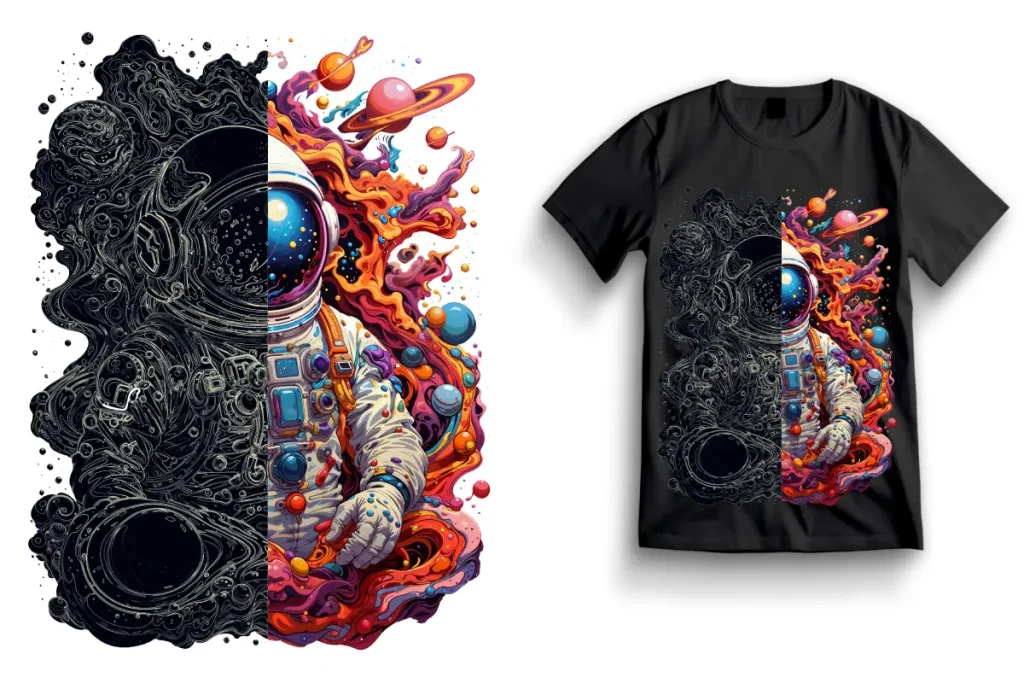
The global custom apparel industry is experiencing a massive technological shift, driven by the need for faster production turnarounds, exceptional detail accuracy, and cost-effective low-volume runs. In the middle of this operational revolution are high-quality dtf transfers, a production method that has completely transformed how custom garment shops print colorful graphics onto textiles. For a long time, business owners had to make trade-offs between the massive setup costs of industrial screens and the limited fabric options of direct garment printers. This modern solution removes those historic technical barriers, allowing vivid, full-color designs to be printed onto specialized film sheets and permanently transferred onto almost any garment material available on the market.
The Physics and Chemistry Behind Direct to Film Technology
To master the application process, print operators must understand the structural components that make up the DTF system. Unlike traditional methods that print ink directly onto porous fabric fibers, this system prints the graphic onto a dimensionally stable, clear polyethylene terephthalate film. The custom wide-format printer applies the colorful pigments first, followed immediately by a uniform solid layer of white backing ink in a single controlled print pass.
While the specialized water-based textile ink is still wet on the film surface, the sheet moves through a powder application station where a uniform layer of hot-melt polyurethane adhesive powder is applied. The coated sheet then undergoes a thermal curing process in a dedicated heating tunnel or specialized oven. This heat turns the loose adhesive powder into a smooth, flexible, rubberized barrier. When this cured sheet is subsequently pressed onto apparel using a commercial heat press, the polyurethane layer melts again, fusing the solid ink pigments directly into the weave of the textile to form a permanent, industrial-grade bond.
Key Industrial Advantages for Modern Print Shops
Traditional decoration methods like screen printing are highly efficient for massive production runs involving simple, few-color vector logos. However, screen printing becomes incredibly expensive and slow when processing complex, multi-colored photographic artwork because every unique hue demands a separate physical screen setup. Modern film transfer systems bypass these technical bottlenecks completely, offering major production advantages that directly optimize shop workflows:
- Complete Fabric Flexibility: Operators can apply these graphics to 100 percent organic cotton, high-performance polyester, nylon windbreakers, heavy canvas bags, and blended fabrics without altering ink types or applying liquid chemical pre-treatments.
- Unmatched Photographic Fidelity: Because the ink sets perfectly on a stable plastic film rather than bleeding into porous textile threads, fine text lines, soft color gradients, and microscopic details retain absolute sharpness.
- Elimination of Setup Waste: Multiple small, complex designs can be nested closely together on a single roll of transfer film, making it just as affordable to produce a single custom piece as it is to run a batch of one thousand units.
- Soft and Stretchy Finish: The microscopic polyurethane backing creates a finished design that stretches, bends, and breathes naturally with the garment instead of creating a stiff, heavy plastic shield on the chest.
Sourcing Reliable Production Materials Locally vs. Regionally
Because retail brands and corporate clients demand rapid fulfillment times, custom apparel shop owners frequently search for high-quality dtf transfers near me to minimize shipping transit delays, lower fuel costs, and avoid international supply chain disruptions. Having a nearby production house provides a crucial safety net when an unexpected rush order arrives or a viral event requires immediate garment decoration.
However, printing professionals must realize that proximity should never take priority over technical quality. Creating a premium transfer requires an exact balance between high-end industrial printheads, premium stable inks, and moisture-controlled environment rooms. If a local vendor relies on cheap, converted desktop machinery or cuts corners on thermal curing times, the graphics will split under pressure, refuse to peel cleanly, or wash away after a few domestic laundry cycles. Partnering with an established regional powerhouse that uses commercial, wide-format machinery is essential for preserving your business credibility.
Securing Industrial-Grade Quality: Finding the Best DTF Transfer at Houston
Texas has become a major regional powerhouse for custom textile manufacturing, with thousands of independent businesses demanding rugged performance and fast production turnarounds. Securing the absolute best dtf transfer at Houston requires choosing a production house that runs industrial, multi-head commercial equipment managed by experienced textile specialists. The intense heat and humidity of the Gulf Coast mean that raw printing materials must be stored and handled under strict environmental parameters.
Procuring your decoration films from an elite regional supplier guarantees that your graphics are produced in climate-controlled spaces with automated humidity regulation. This level of environmental control prevents the water-based inks from drying prematurely inside the printheads and ensures that the hot-melt powder adheres evenly across the entire surface of the design. When these premium transfer sheets arrive at your shop, they react perfectly under the heat press element, dropping your garment scrap rates to zero and protecting your financial margins.
Strategic Business Scaling with a Premium Houston DTF Transfer
Integrating a high-tier Houston dtf transfer service into your daily workflow gives your custom apparel brand a distinct competitive advantage. Instead of committing large amounts of cash flow to pre-printed warehouse inventory that might not sell, boutique owners and merchandise print shops can implement an agile, just-in-time production strategy. You can confidently display numerous colorful design proofs online, collect consumer payments, and apply the transfers on demand as orders arrive.
To ensure the maximum lifespan and premium feel of these regional transfers, production teams should implement a standardized heat application checklist. Always pre-press your blank garments for about five seconds to remove natural atmospheric moisture and flatten out fabric folds. Make sure your commercial heat press applies heavy, uniform pressure across the entire platen, and use a reliable digital thermometer to verify that the heating core matches the supplier’s exact recommendations. These simple quality controls ensure a permanent molecular bond that stays pristine for dozens of washes.
Frequently Asked Questions
How many machine wash cycles can a professional film transfer endure before cracking?
When printed with commercial-grade inks and premium polyurethane powders, these high-end transfers easily withstand more than 50 standard machine washings. To optimize the lifespan of the print and keep colors vibrant, it is best to wash the decorated garments inside out using cold water and dry them on low-heat settings.
Can I apply these industrial transfers using a standard household clothing iron?
While an iron can technically melt the adhesive backing, it is strongly discouraged for retail-grade products. A commercial heat press is absolutely necessary to deliver the uniform heavy pressure and exact, continuous temperature required to drive the melted polyurethane deep into the garment fibers for a permanent hold.
What digital file formats ensure the sharpest possible print output for transfers?
For the cleanest results, designers should provide high-resolution vector graphics in PDF, EPS, or AI formats. If you are submitting raster imagery like PNG or PSD files, ensure the artwork has a fully transparent background and holds a minimum resolution of 300 DPI at the exact physical print dimensions needed.
Is it possible to apply these graphics to sublimated activewear without color bleeding?
Yes, but it requires specialized materials. Standard white inks can suffer from dye migration, where the synthetic polyester dyes bleed into the graphic. To prevent this, print facilities utilize specialized low-bleed or anti-migration black adhesive powders that act as a chemical shield, blocking the active fabric dyes from rising.
Thriving in the fast-paced modern apparel landscape requires working with reliable production equipment and trusted material partners. At Harwin DTF, we focus on delivering commercial-grade accuracy, rich color profiles, and industrial-strength durability with every single print order we ship. Whether you are building a boutique clothing brand or executing high-volume corporate merchandise fulfillment, our facility provides the premium printing solutions your business needs to outperform the market. Reach out to Harwin DTF today to discuss our commercial ordering options and discover how we can streamline your production pipeline.