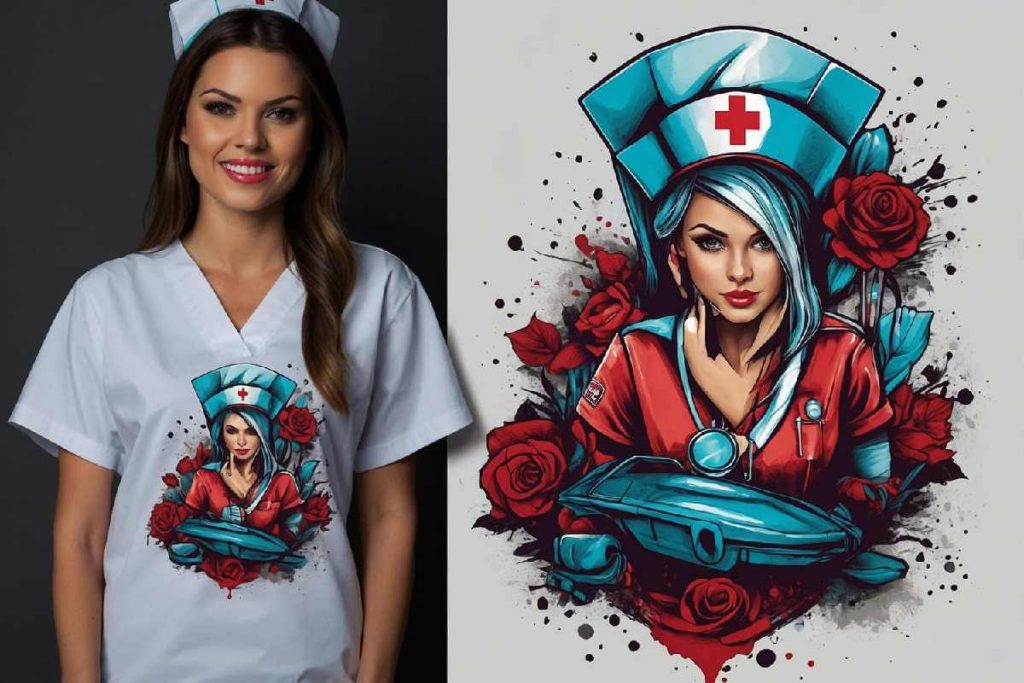
DTF printing on dark fabrics opens up vibrant possibilities for black and deep-colored garments, delivering solid, bright colors that catch the eye. If you’ve ever wondered how to print on dark shirts using DTF, this guide lays out a practical workflow from design to press. This approach hinges on a white underbase and pigmented inks to achieve solid bright colors DTF while maintaining crisp edges. This understanding helps you minimize ghosting, misalignment, and color shifts on all dark garments. For many shops, comparing different transfer approaches for dark garments is a common consideration when selecting the most efficient option for a given project.
In other words, this process is a direct-to-film color transfer technique applied to dark textiles. The core idea remains layering an opaque white layer before applying color, ensuring legibility and contrast on black or navy fabrics. From a production perspective, you rely on precise curing, pressure uniformity, and reliable adhesion to maintain durability. Compared with traditional screen printing on dark fabrics, the DTF approach supports detailed imagery and gradients with less setup for small runs. With proper substrate prep and color management, designers can translate complex photography and typography onto a wide range of garments.
DTF on Dark Fabrics: Why White Underbases Deliver Solid Bright Colors
DTF on dark fabrics hinges on a carefully designed white underbase that sits beneath pigmented inks. This underbase acts as a blank canvas, allowing vibrant reds, blues, yellows, and greens to read clearly against black or navy backgrounds. Without this strategic white layer, colors tend to dull and shift toward the fabric color, reducing contrast and legibility.
In practice, the white underbase is printed first and optimized for opacity, then followed by color inks to build the final image. The result is solid bright colors with sharp edges and durable brightness through multiple washes. By controlling ink density, profile calibration, and pre-press settings, designers can achieve the high-contrast appearance that makes DTF transfers for dark garments stand out.
DTF printing on dark fabrics: Workflow and Best Practices for Vivid Transfers
A practical workflow for DTF printing on dark fabrics starts with a high-quality design and a clear definition of white underbase areas. Color separation and proofing in RIP software help ensure that the white layer remains opaque and that the subsequent color layers stay vibrant once transferred to the fabric.
Print settings and substrate preparation are critical. Calibrated printer profiles, suitable DTF transfer film, and proper curing times all contribute to consistent brightness. By maintaining temperatures, ink levels, and nozzle health, studios can reproduce solid bright colors on dark textiles with repeatable results, making this approach suitable for both small runs and more ambitious projects.
Finally, an effective workflow includes transfer, curing, and post-press care steps that lock in color and protect against cracking or peeling in high-wear areas. When done correctly, DTF printing on dark fabrics delivers reliable, long-lasting transfers that retain their brightness even after repeated laundering.
Choosing Materials and Substrates for DTF Transfers on Dark Garments
Selecting the right substrates and materials is foundational for successful DTF transfers on dark garments. Dark fabrics vary from 100% cotton to polyester-rich blends, and each type responds differently to ink density and pre-press timing. A white underbase remains essential across substrate types to guarantee solid coverage, especially for white or light-colored portions of the artwork.
Quality inks designed for DTF, combined with suitable transfer films and PET sheets, help ensure solid bright colors and reliable adhesion. Consider fabric weight, weave, and fiber content when planning a design, and tune pre-press times and ink densities accordingly. The goal is to maintain color fidelity and wash durability across diverse fabrics while preserving the brightness of the final print.
Complementary tools such as a curing step, RIP color profiles tuned to the substrate, and pretreatment options (where appropriate) further support consistent results. With the right combination of materials, you can achieve durable DTF transfers for dark garments that stay vivid through the life of the garment.
How to Print on Dark Shirts DTF: Design, Color, and Prepress Tips
Design strategy matters when printing on dark shirts with DTF. Start with high-resolution artwork (at least 300 dpi) and convert text to outlines to preserve sharpness. Define white underbase areas clearly so the printer can reproduce a bright, clean pass. Strong contrast and high-contrast color palettes help ensure legibility on dark backgrounds.
Color management is essential. Use RIP software to preview the final appearance on dark backgrounds, adjust color values for vibrancy, and verify white opacity before printing. Calibrate printer profiles for dark fabrics, run test prints, and fine-tune curing times to prevent dulling or adhesion issues. These steps reduce guesswork and improve the likelihood of solid bright colors on every shirt.
Post-processing matters too: ensure proper cooling after transfer, follow recommended dwell times, and adhere to care guidelines. With meticulous prepress, color management, and curing, you can achieve consistent results when printing on dark shirts using DTF.
DTF vs Screen Printing on Dark Fabrics: Pros, Cons, and Use Cases
DTF transfers for dark garments offer advantages for short runs and complex, multi-color designs. Unlike traditional screen printing, DTF can reproduce photographic images with high color fidelity without the need for separate screens for each color. The white underbase layer provides brightness and crispness that are particularly valuable on dark backgrounds.
Screen printing on dark fabrics often demands more setup, multiple color separations, and screens, which can increase cost and lead times for small batches. DTf shines when you need quick turns, complex color palettes, or on-demand printing. However, DTf also requires careful handling of inks, films, and curing to maintain brightness over time.
DTF transfers for dark garments are not a universal replacement for screen printing or DTG; the best choice depends on run size, fabric, and artwork complexity. In many cases, a blended approach—using DTF for color-rich areas and screen printing for simple logos—delivers optimal results.
Care, Durability, and Troubleshooting for DTF on Dark Fabrics
The longevity of DTF transfers on dark fabrics hinges on proper curing and washing care. To maximize durability, advise customers to wash inside-out in cold water with mild detergents and avoid high-heat drying. For best results, hand-washing or line-drying can significantly extend brightness and color stability, particularly on darker garments where the contrast is most noticeable.
Regular checks for edge wear, cracking, or lifting help you address issues early. Troubleshooting tips include re-evaluating white ink opacity, adjusting curing duration, and validating adhesive film quality and pressure during pressing. When you maintain consistent curing, color management, and post-press care, the solid bright colors of DTF transfers on dark fabrics stay vibrant longer.
Frequently Asked Questions
DTF printing on dark fabrics: how does it achieve solid bright colors on black garments?
DTF printing on dark fabrics achieves solid bright colors by printing a white underbase first, which provides opacity over dark backgrounds, followed by pigmented inks. Using high-opacity white inks, proper printer profiles, and correct curing ensures colors stay vibrant after washing.
How to print on dark shirts DTF: what steps yield vibrant results?
Follow a practical workflow: design with clearly defined white areas, separate the white underbase from color layers in your RIP, print with white first, transfer with even heat and pressure, cure thoroughly, and perform post-press care to preserve brightness and adhesion.
DTF transfers for dark garments vs screen printing on dark fabrics: which is better for small runs?
DTF transfers for dark garments excel in small runs and complex color art because you can reproduce full-color images without screens, with a white underbase for brightness. Screen printing may be more cost-effective for very high-volume jobs but requires more setup for multipart color artwork.
What are common challenges in DTF printing on dark fabrics and how can you mitigate them?
Common issues include white underbase misalignment, color bleed, ghosting, and insufficient curing. Mitigate by calibrating white opacity, maintaining proper ink densities and print order, using appropriate transfer film and adhesive, and ensuring complete curing and testing on similar fabrics.
Which substrates work best for DTF printing on dark fabrics and how does fabric type affect brightness?
Dark fabrics like 100% cotton and polyester blends work well with DTF. The white underbase is essential across substrate types to guarantee solid coverage, while fabric weight, weave, and stretch influence brightness, edge sharpness, and overall durability.
How can you manage color effectively in DTF printing on dark fabrics to preserve solid bright colors?
Manage color with reliable printer profiles and calibrated inks, perform test prints, and adjust color curves for dark backgrounds. Balance white underbase opacity with color-heavy areas, and ensure consistent curing to maintain brightness across runs.
| Topic | Key Point | Notes |
|---|---|---|
| Introduction | DTF on dark fabrics enables solid, bright colors on black/deep fabrics | The main challenge is how inks, film, and heat press interact with dark substrates; when done correctly, DTF on dark fabrics delivers bold, stable color with excellent wash durability. |
| Understanding the Basics | White underbase + pigmented inks create a bright, high-contrast image | White underbase is essential for solid colors on dark backgrounds; the process uses a clear adhesive film to transfer from a PET film to the garment; the underbase must be designed for readability; this approach is an advantage over traditional methods. |
| Solid, Bright Colors | Print white first to keep vibrancy on dark backgrounds | Leads to color-rich artwork with sharp edges after washes; enables high-contrast logos, typography, and photos; to maximize brightness, choose high-quality white and color inks, match printer profile, and optimize pre-press for dark substrates. |
| Common Challenges | Color bleed, ghosting, underbase misalignment | DTF helps mitigate these issues with a well-prepared white underbase; proper film weight and adhesive strength; white ink buildup if the printer is not calibrated; insufficient curing; adjust ink densities, print order, and curing times. |
| Materials and Equipment | Quality materials and appropriate settings | DTF printer with white and color inks; DTF transfer film and PET sheets for dark fabrics; White ink with high opacity; Color inks with brightness; Reliable heat press or conveyor dryer; Curing step; RIP software and color profiles tuned; Pretreatment options if substrate requires them. |
| Choosing the Right Substrates | Dark fabrics blends influence final appearance | Consider fabric weight, weave, and fiber content; Dense cottons give high color fidelity; high-polyester fabrics may need ink density adjustments; white underbase essential across substrate types. |
| Step-by-Step Workflow | A practical six-step workflow | Prepare design at high resolution (at least 300 dpi) or vector; color separation and proofing; print settings calibrated with profiles; substrate preparation; transfer and curing; post-press care; ensure white underbase areas are clearly defined. |
| Design Tips | Tips for optimal results on dark fabrics | Keep white underbase clearly defined but not overly thick; use high-contrast palettes; test print on similar fabrics; layering (light, medium, dark colors) with appropriate opacity; ensure source image has ample resolution for gradients. |
| Color Management | Real-world color management for consistency | Reliable printer profiles, calibrated inks, and consistent curing; balance white underbase opacity with heavy color areas; adjust color curves and run test prints to match appearance under different lighting. |
| DTF vs Other Methods | Comparison with other color transfer methods | DTF is advantageous for short runs and complex color artwork; DTG on dark fabrics is possible but brightness may diminish without proper pretreatment and curing; DTF’s white underbase provides brightness and detail; each method has its place. |
| Care and Longevity | Washing and care influence durability | Wash inside-out in cold water with mild detergents; avoid high-heat drying; hand-washing or line-drying extends life; regularly check edges for wear to address issues early. |
| Troubleshooting Quick Tips | Key symptoms and fixes | Whites translucent: check white opacity and increase curing time; colors dull: review color profiles and calibration; transfer peels: verify adhesive film quality and ensure proper pressure/temperature; cracking on flex areas: reduce underbase thickness or add stretch-friendly topcoat. |
Summary
DTF printing on dark fabrics is a versatile solution for achieving solid, bright colors on black and other deep-toned garments. By using a white underbase in combination with pigmented inks, this method delivers high-contrast images with strong wash durability and excellent edge clarity. A careful workflow—from design preparation and color separation to proper curing and post-press care—helps maintain vibrant results on a variety of dark substrates. When selecting substrates, inks, and equipment, pay close attention to ink opacity, printer profiles, and curing conditions to avoid dullness or cracking. With the right materials, precise pre-press settings, and consistent maintenance, DTF projects on dark fabrics can produce professional, long-lasting transfers that satisfy customers and open up opportunities for short-run, full-color designs.